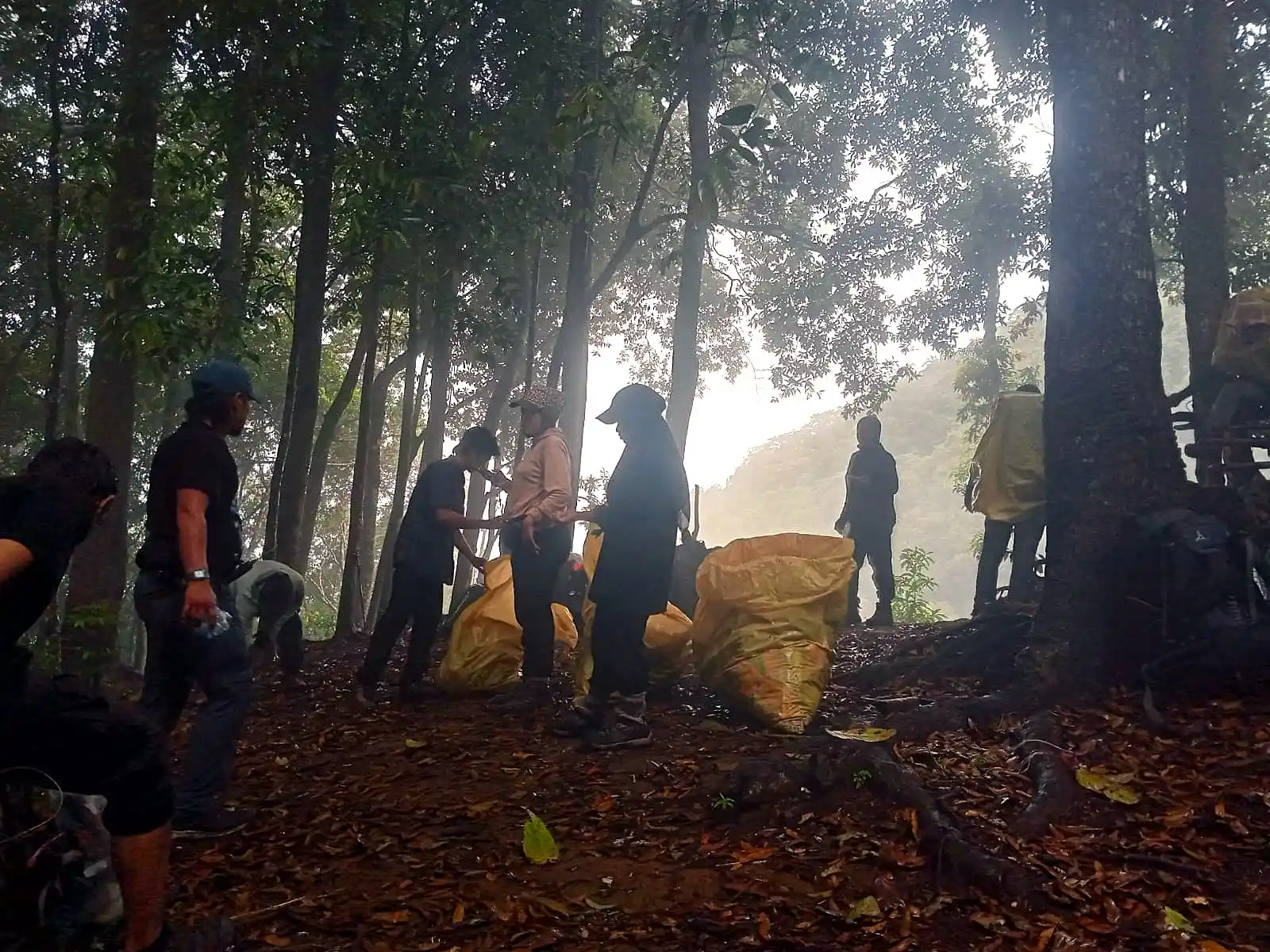
The forests of Aceh are among the largest and most important tropical forest areas on the island of Sumatra. More than half of Aceh’s territory is still covered by forest, making it one of the provinces with the highest forest cover in Indonesia. These forests encompass a variety of ecosystems, such as lowland tropical rainforests, montane forests, peat swamps, and coastal ecosystems.
A significant portion of Aceh’s forests forms part of the Leuser Ecosystem —a landscape recognized globally as one of the most important regions for its rich biodiversity. The Leuser Ecosystem (referred to as KEL) is a region naturally integrated by landscape features, distinctive flora and fauna characteristics, and other unique attributes; its location and extent are delineated in the Attachment to the Decree of the Minister of Forestry No. 190/Kpts-II/2001. Aceh’s forests remain extensive, constituting the largest forest area on the island of Sumatra, with approximately 3 million hectares of forest cover remaining.
2. Biodiversity
Aceh’s forests possess an extremely high level of biodiversity and serve as a habitat for thousands of plant and animal species. Some of the rare animal species living in this region include:
Additionally, Aceh’s forests serve as a habitat for hundreds of bird species, primates, reptiles, amphibians, and various types of tropical plants that hold high ecological and scientific value.
3. Ecological Functions
Aceh’s forests play a critically important ecological role, both for the environment and for human life. Some of the forest’s primary functions include:
Serving as a water source for millions of people in Aceh
Storing large carbon reserves that help mitigate the impacts of climate change
Maintaining ecosystem balance and soil fertility
Reducing the risk of floods, landslides, and other ecological disasters
Forests also serve as a lifeline for surrounding communities that depend on forest products and ecosystem services.
4. Challenges and Threats
Although it still has extensive forest cover, Aceh’s forests face various pressures that threaten their sustainability. Some of these include:
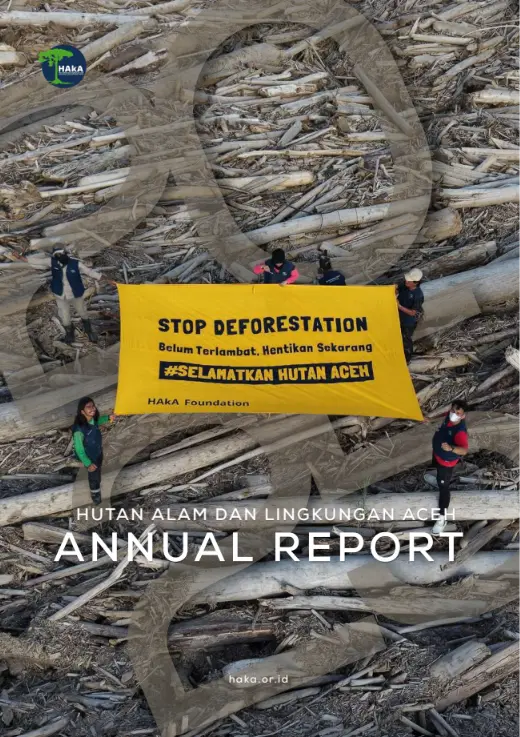
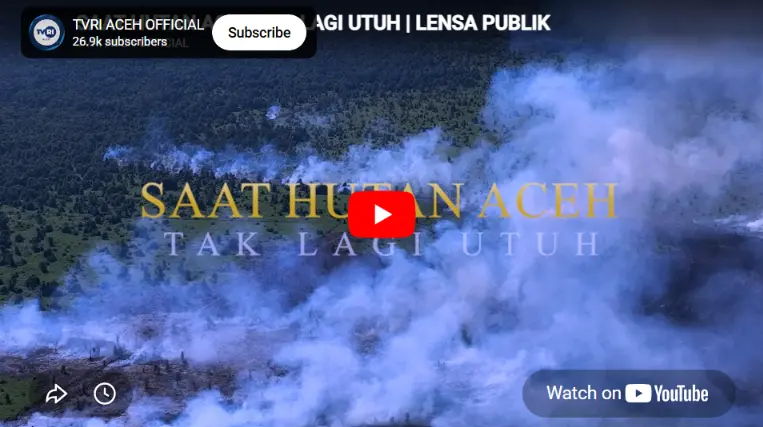
Deforestation due to plantation expansion and infrastructure development
Illegal logging and land clearing
Poaching and wildlife trafficking
Increasingly severe natural disasters caused by climate change
These pressures can reduce wildlife habitats and weaken the forest’s ecological functions.
5. The Importance of Conservation Efforts
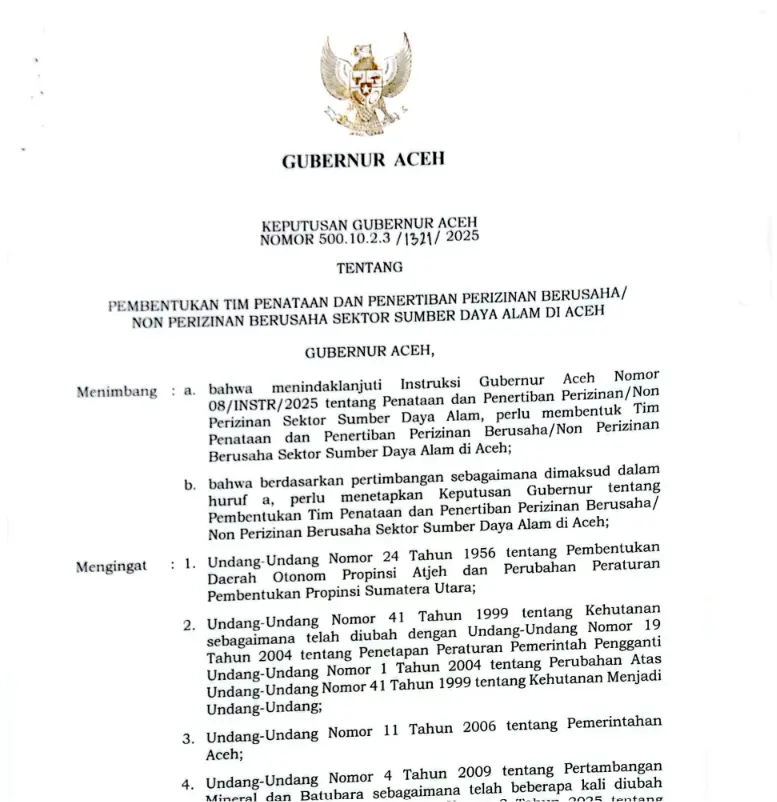
Protecting Aceh’s forests is crucial for maintaining environmental sustainability and community well-being. Various conservation efforts are being implemented through forest area protection, law enforcement against illegal activities, restoration of damaged ecosystems, and community empowerment to develop environmentally friendly livelihoods.
By preserving Aceh’s forests, we not only protect extraordinary biodiversity but also ensure that future generations can continue to enjoy the ecological and social benefits of these precious tropical forests.