
Sumatran Elephants: Loss of Large Mammal Habitat Due to Development
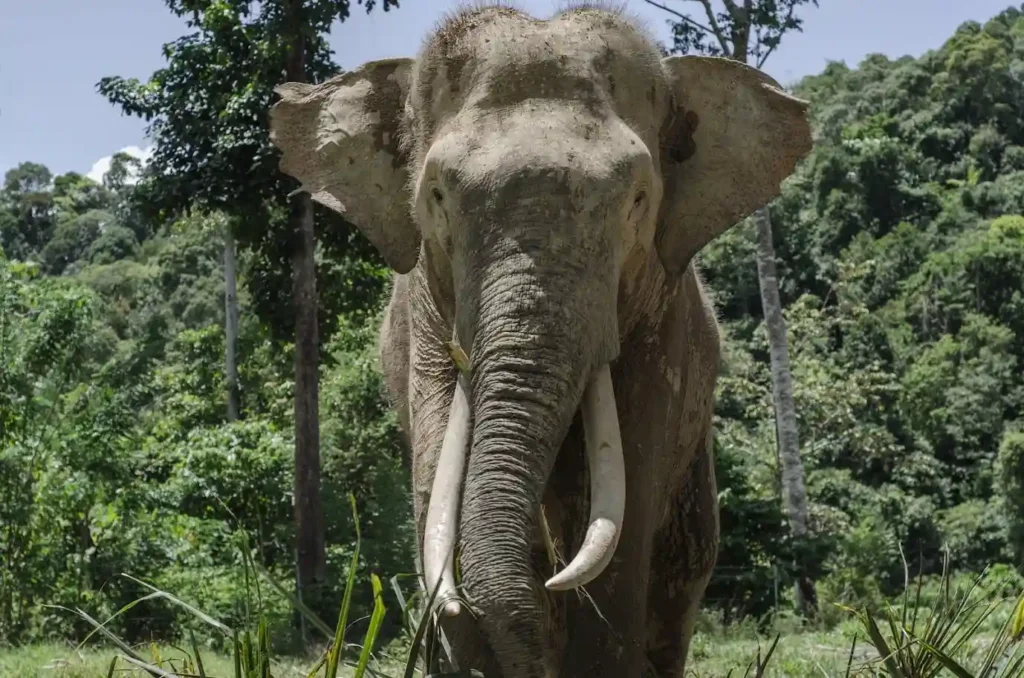
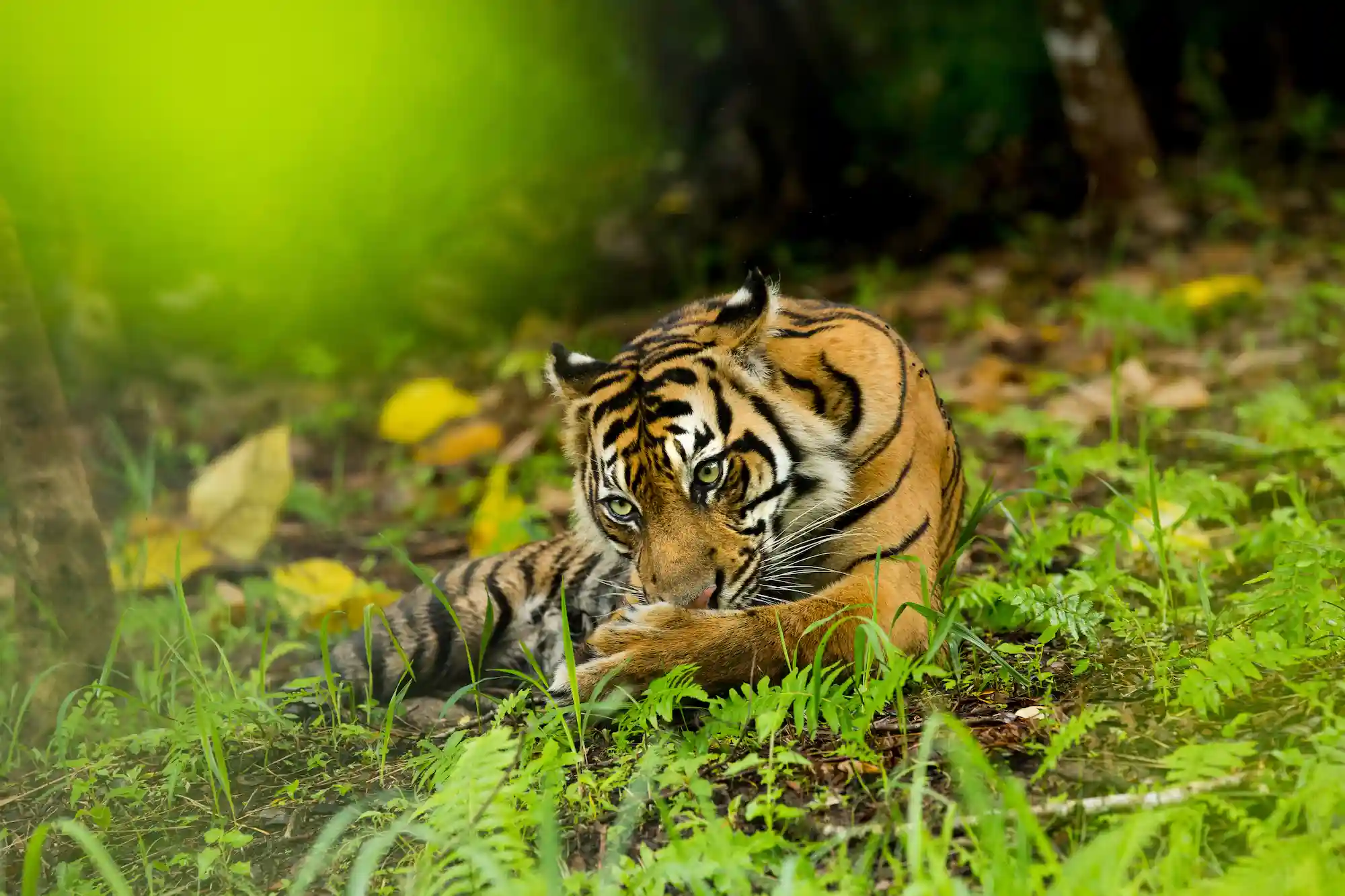
Sumatran elephant, Photo: Ruben Hoekstra
Aligning the concept of national development with biodiversity conservation is a complex and challenging endeavor; its implementation therefore requires comprehensive consideration and the involvement of multiple stakeholders.
On one hand, development is a vital, ongoing endeavor essential for enhancing public welfare and the national economy. On the other hand, development must take into account social, environmental, and ecosystem aspects to ensure sustainability while preserving natural resources, biodiversity, and their associated ecosystems.
In general, economic development requires space for infrastructure—specifically land—to accommodate industries, agriculture, mining, and settlements. Currently, the land required for such development is obtained—either partially or entirely—by converting lowland forest areas, whether they are relatively intact or already degraded.
On the other hand, forest areas are also biodiversity-rich ecosystems inhabited by various plant and wildlife species that hold significant ecological, economic, and social value. As development efforts accelerate, allocating space for the preservation of biodiversity and ecosystems becomes increasingly complex.
This situation often leads to conflicts of interest that ultimately harm the government and the general public at large.
Over the past two decades, economic development efforts and population growth—driven primarily by migration to support development—have risen rapidly on the islands of Sumatra and Kalimantan. Statistics Indonesia (BPS) projects that the population share in Sumatra will increase from 20.7% in 2000 to 22.7% in 2025 (BPS 2007).
Meanwhile, in Kalimantan, the population is projected to grow from 5.5% in 2000 to 6.5% in 2025 (BPS 2007). Consequently, development activities to accommodate this population growth will also intensify, driving an increase in the conversion of forest areas for both forestry and non-forestry development purposes.
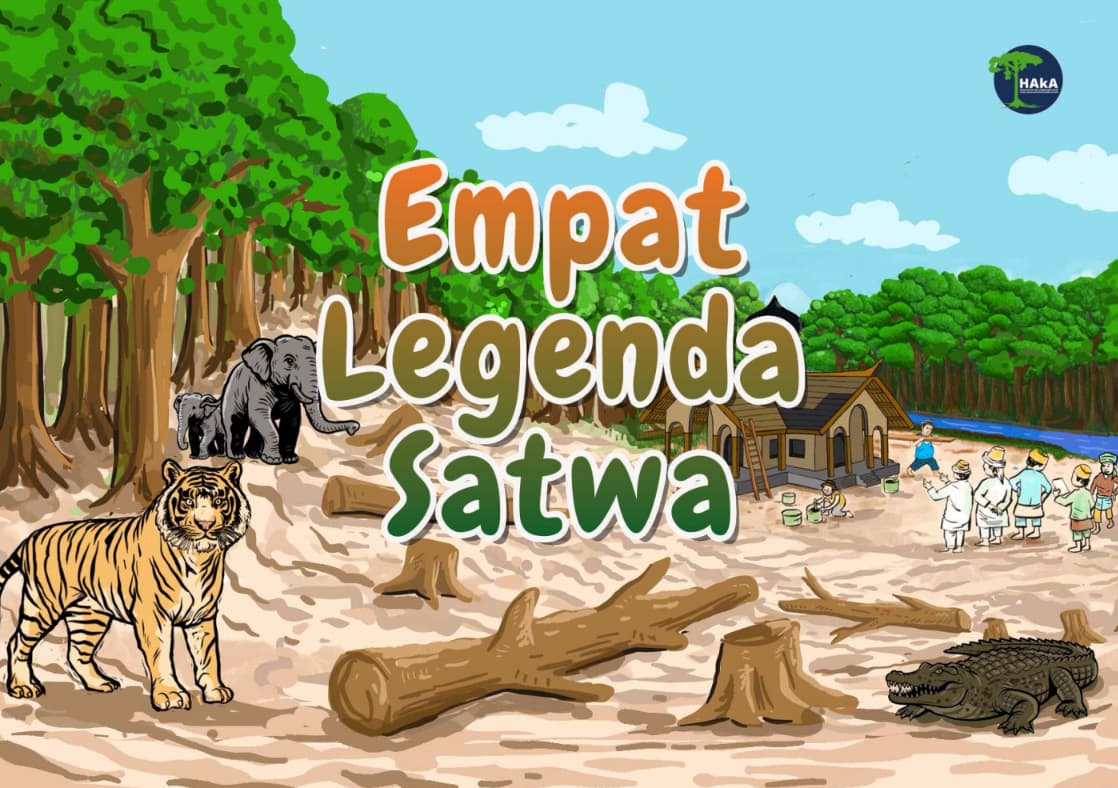
A direct consequence of this development activity is the reduction of habitat areas for several large mammals, such as the Sumatran and Bornean elephants. The negative impact of these activities gives rise to conflicts between humans and wildlife—specifically elephants—ultimately resulting in casualties on both sides.
Source: Conservation Strategy and Action Plan for Sumatran and Bornean Elephants 2007–2017, Ministry of Forestry 2007
Read Also:

Admin HAkA
Related Posts