ITQANS II Scholars’ Symposium Highlights Degradation of Kluet River; Scholars Emphasize Environmental Stewardship as a Religious Trust
SERAMBINEWS.COM, TAPAKTUAN – Issues regarding environmental damage and nature conservation took center stage during the Religious Leaders’ Consultation (Muzakarah Ulama), held as part of the Inspiring Tahfidz Qur’an and Science (ITQANS) II event organized by Madrasah Ulumul Qur’an (MUQ) South Aceh on Saturday (September 5, 2026).
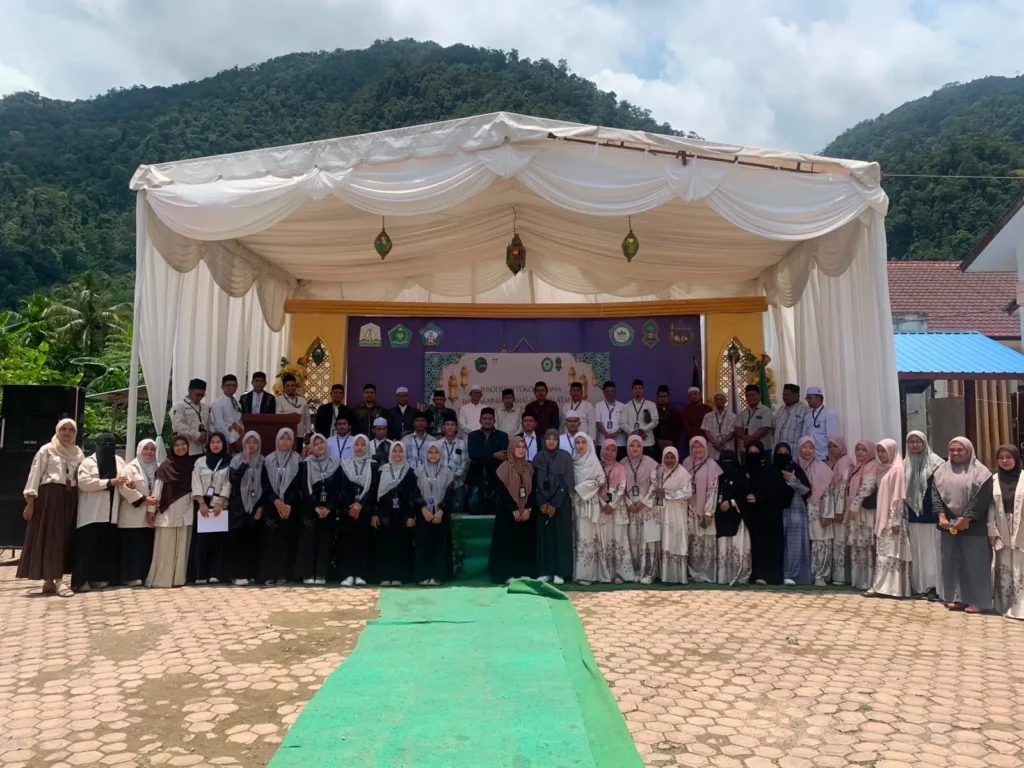
The *muzakarah* (deliberative forum) served as a space for dialogue among religious scholars, religious figures, environmental observers, and participants to discuss various environmental issues from a religious perspective. The forum also encouraged the involvement of religious scholars in addressing environmental degradation that directly impacts the lives of the community. The event was moderated by Tgk. Muhammad Iskandar and featured speakers from diverse backgrounds, including Muhammad Fahmi (Legal Manager at HAKA), Tgk. Muhibbut Tibri (member of the Aceh Ulema Council/MPU), Tgk. Syahwizal Elsi (member of the South Aceh Ulema Council), and Ustaz Abdurrahman (a former Islamic Sharia frontier preacher).
Degradation of Kluet River Draws Attention
Muhammad Resqi from P2LH HAKA also addressed environmental issues directly affecting the community in his remarks. He emphasized the vital importance of perspectives from religious scholars and faith traditions in responding to the environmental degradation occurring in South Aceh. “The most crucial step in preserving nature is incorporating the views of religious scholars and the role of religion in addressing environmental damage—such as the degradation of the Kluet River, which has cut off a source of potable water for the people of South Kluet,” stated Muhammad Resqi. He noted that environmental degradation is not merely a matter of ecosystem sustainability but also impacts the community’s basic needs.
Damage to natural resources—particularly rivers—can directly impact the lives of residents, including by disrupting the availability of adequate water sources. Therefore, environmental issues need to be discussed openly, involving various segments of society. Resolving these issues requires more than just a technical approach; it also demands a foundation based on moral and religious principles.
Religious Scholars: Preserving Nature is a Trust Under Sharia
Meanwhile, in his presentation, the Deputy Chairman of the South Aceh Ulema Consultative Council (MPU), Tgk. Syahwizal Elsi, emphasized that preserving nature is a matter of religious trust. “The mandate to protect nature is a tenet of Sharia entrusted by Allah SWT through the words of His Beloved, Prophet Muhammad (PBUH),” asserted Tgk. Syahwizal Elsi. According to him, this perspective frames environmental issues as part of the human responsibility to uphold the trust placed in them by Allah SWT. Consequently, the effort to preserve nature is not solely the responsibility of the government or environmental advocacy groups, but rather a shared obligation.
This article was published on SerambiNews.com under the headline “ITQANS II Scholars’ Forum Highlights Degradation of Kluet River; Scholars Emphasize Preserving Nature as a Sharia Mandate.” Author: Ilhami Syahputra | Editor: Mursal Ismail.

Admin HAkA
Related Posts