When Aceh’s Forests Live in Speech
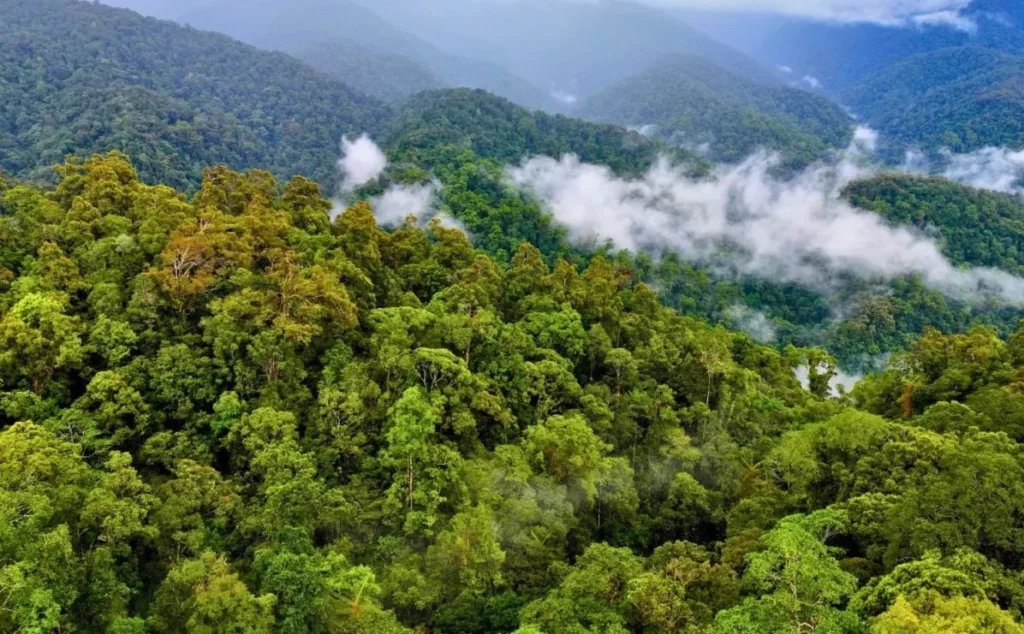
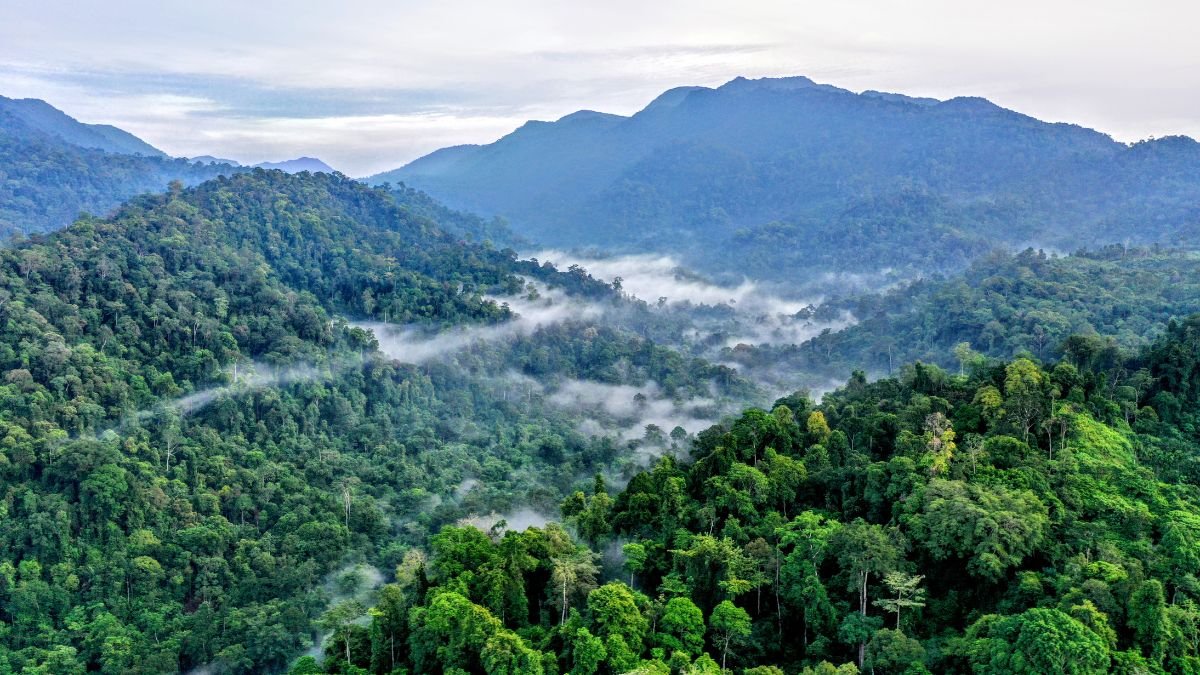
Aceh is often praised as one of the last forest strongholds in Sumatra. In various official forums, from environmental seminars and academic discussions to official speeches, the narrative of “Green Aceh” always sounds optimistic. Aceh’s forests are portrayed as a source of pride, a natural heritage that must be preserved for future generations.
But there is an increasingly relevant question to ask: are Aceh’s forests really still being protected, or are they starting to appear more often in speeches than on the ground?
This question may feel uncomfortable, but that is precisely why it needs to be asked.
Forests Are Still Vast, But Continue to Decrease
Statistically, Aceh is still relatively fortunate. Forest cover in the province remains at around 2.9 million hectares, or more than half of Aceh’s territory. This figure makes Aceh one of the provinces with the largest remaining forest cover in Sumatra.
But big numbers often hide a more important trend: forest loss that continues to occur every year.
My notes from various existing sources, in recent years, deforestation in Aceh has shown a worrying pattern:
2023: approximately 8,900 hectares of forest lost
2024: increased to approximately 10,600 hectares
2025: jumps sharply to around 39,000 hectares
The 2025 surge represents one of the largest forest cover losses in the past decade in Aceh. Even more alarming, much of this loss occurred within state forest areas, including protected and conservation areas.
This means that damage is not only occurring on the fringes of forest areas, but in the heart of the ecosystems that should be protected.
Leuser: The Wounded Heart of Ecology
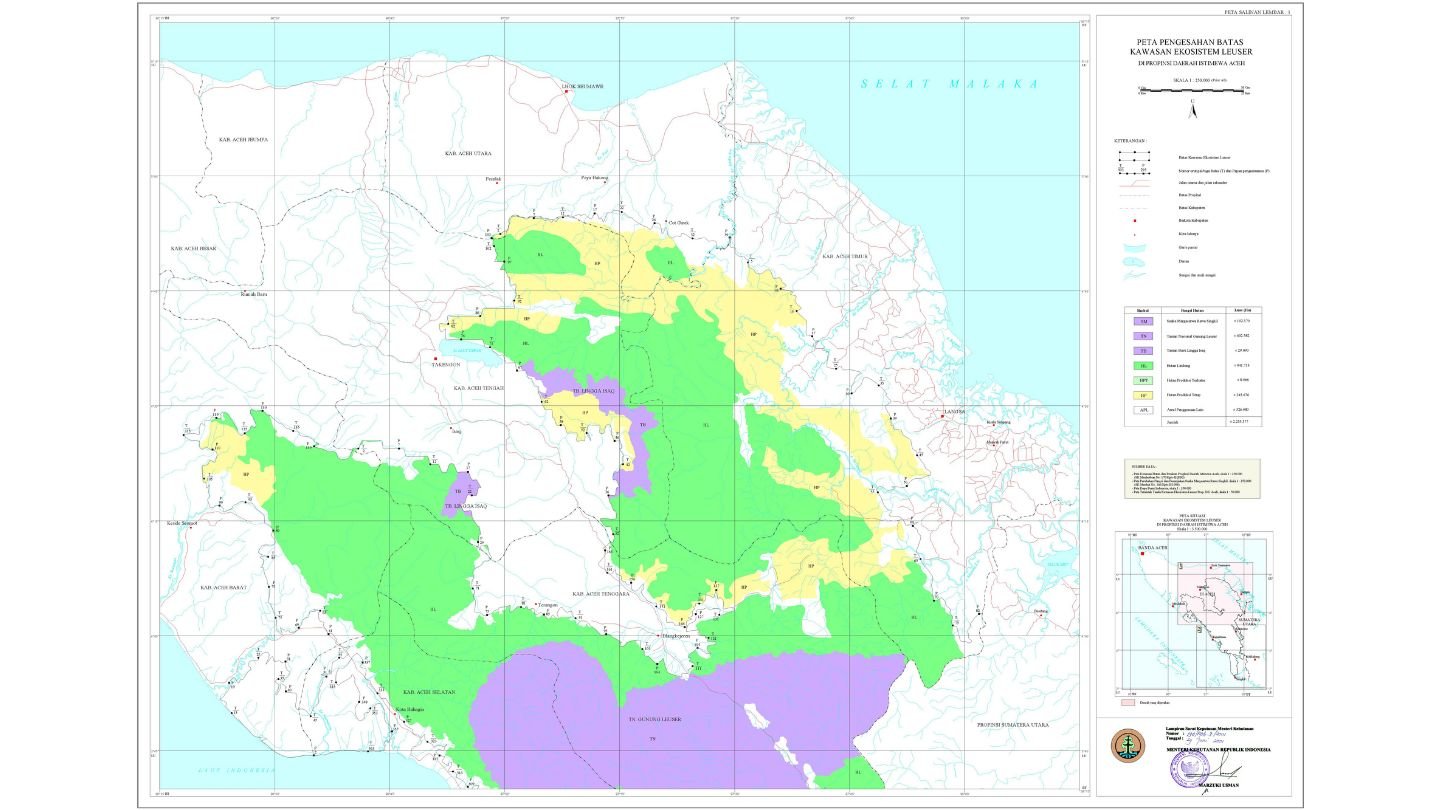
One of the most affected areas is the Leuser Ecosystem (LEE), a landscape globally recognized as one of the most important tropical forest areas in the world.
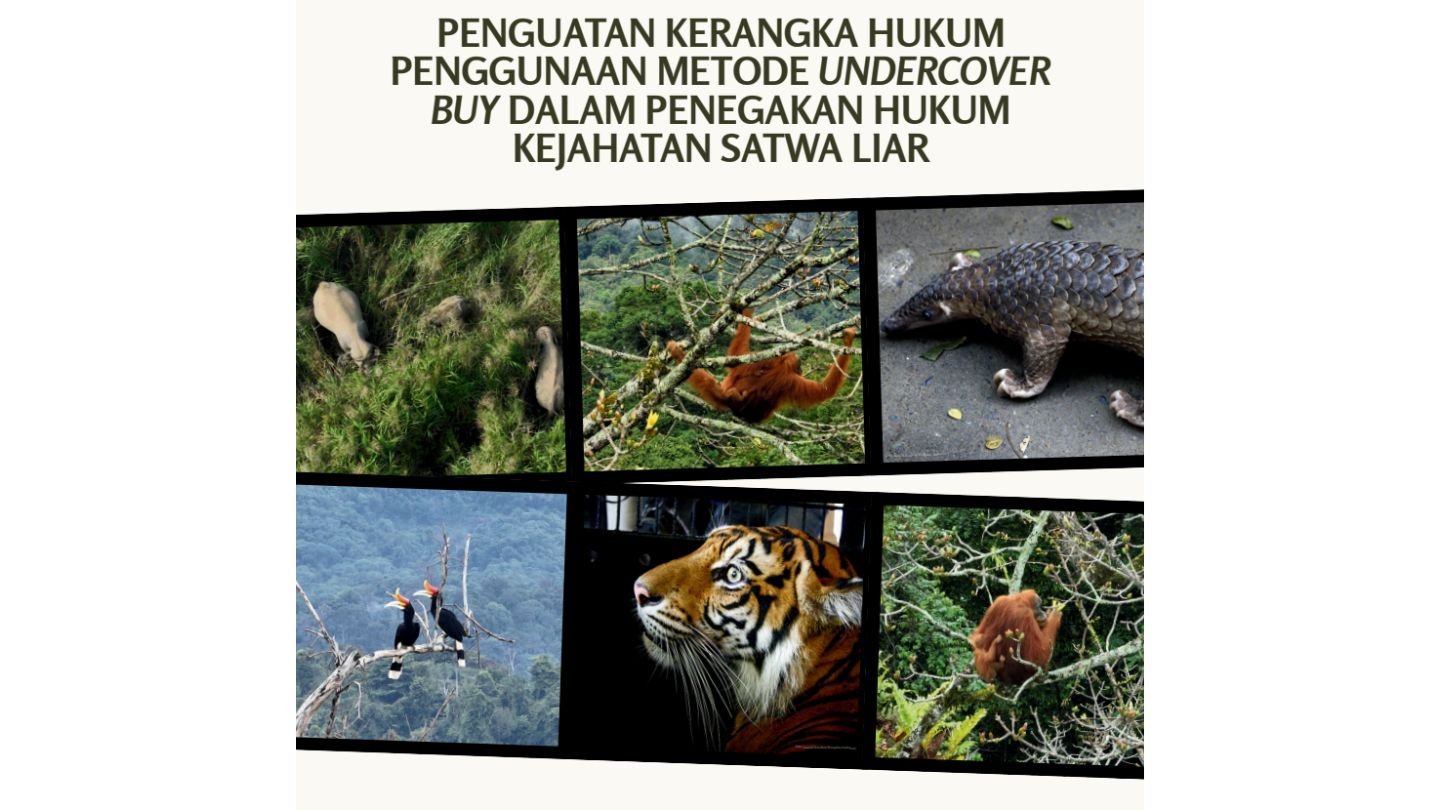
Leuser is the only place on earth where orangutans, Sumatran tigers, Sumatran elephants and Sumatran rhinos still live side by side in the same ecosystem.
However, pressure on this area continues to increase: forest encroachment, plantation clearing, road construction, and mining activities.
When areas like Leuser begin to erode, it’s not just tree cover that’s lost. What’s lost are the life systems that sustain Sumatra’s ecological balance.
From Deforestation to Disaster
Forest destruction never stops with the loss of trees. It always has broader impacts.
Forests act as natural water sinks. Tree roots hold the soil in place and slow the flow of rainwater. When forests are lost, water flows more quickly into rivers and carries away large amounts of soil material.
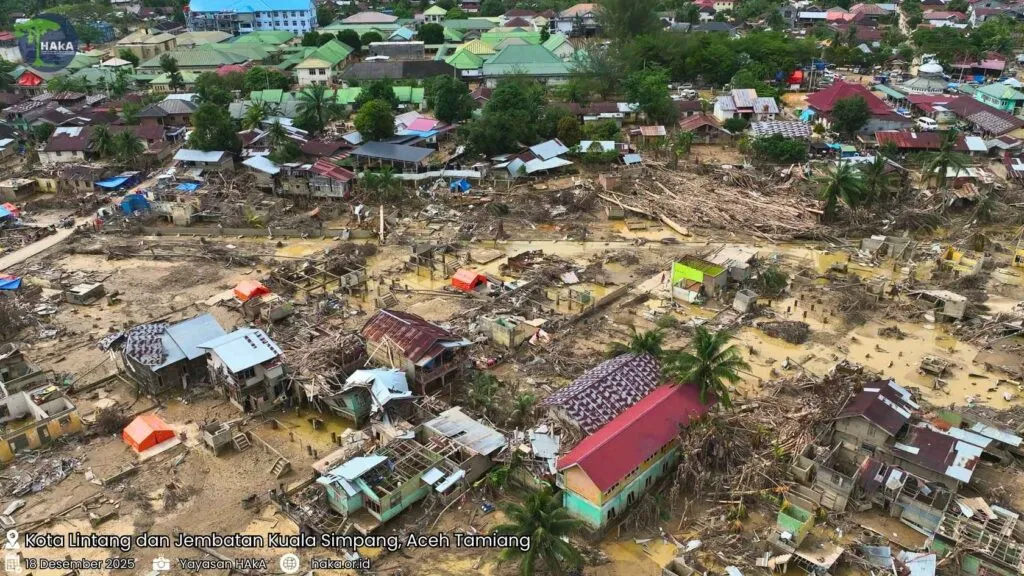
As a result, floods and landslides have become more frequent.
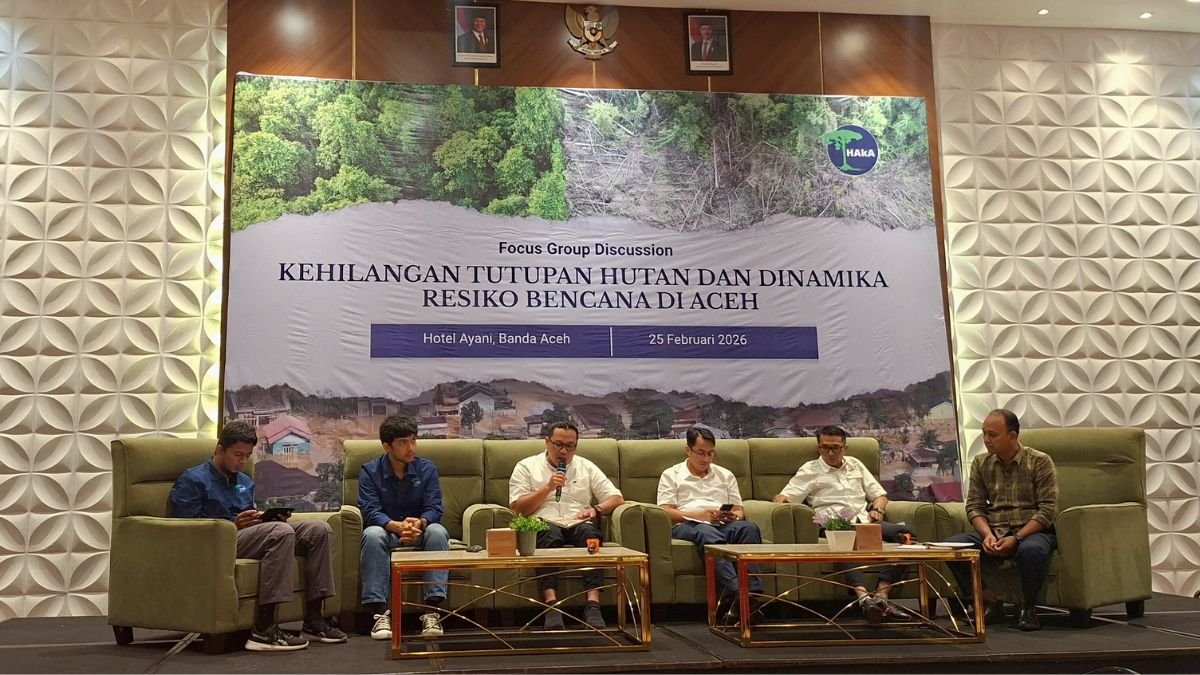
In Aceh itself, there are dozens of flood-prone areas spread across various river basins (DAS). Many of these watersheds have experienced changes in forest cover in recent years.
This shows that many of today’s disasters are no longer simply natural phenomena. They are more accurately described as ecological disasters, namely disasters exacerbated by environmental damage.
When Words Are Stronger Than Trees
The greatest irony in Aceh’s environmental issues may lie in one simple thing: words are often louder than trees.
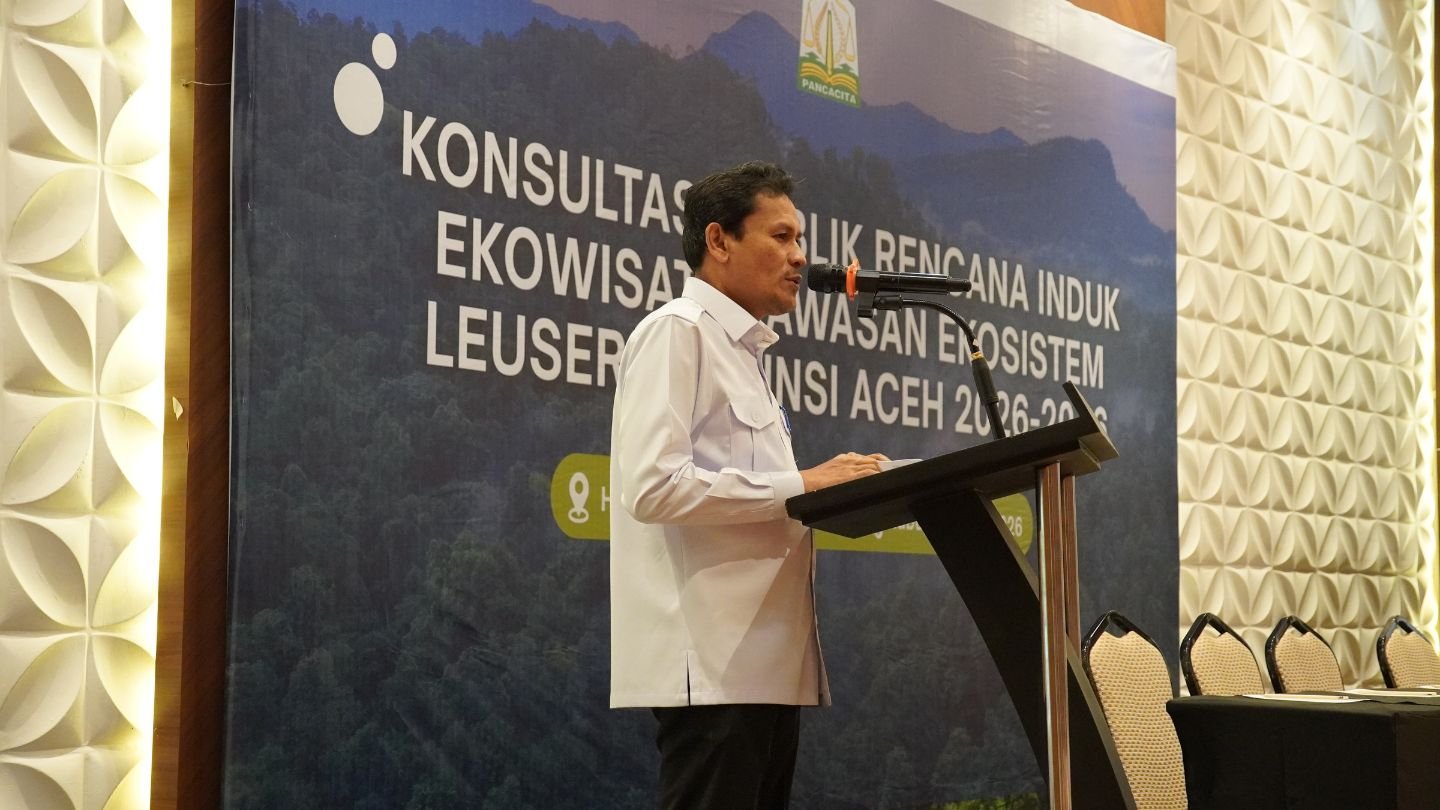
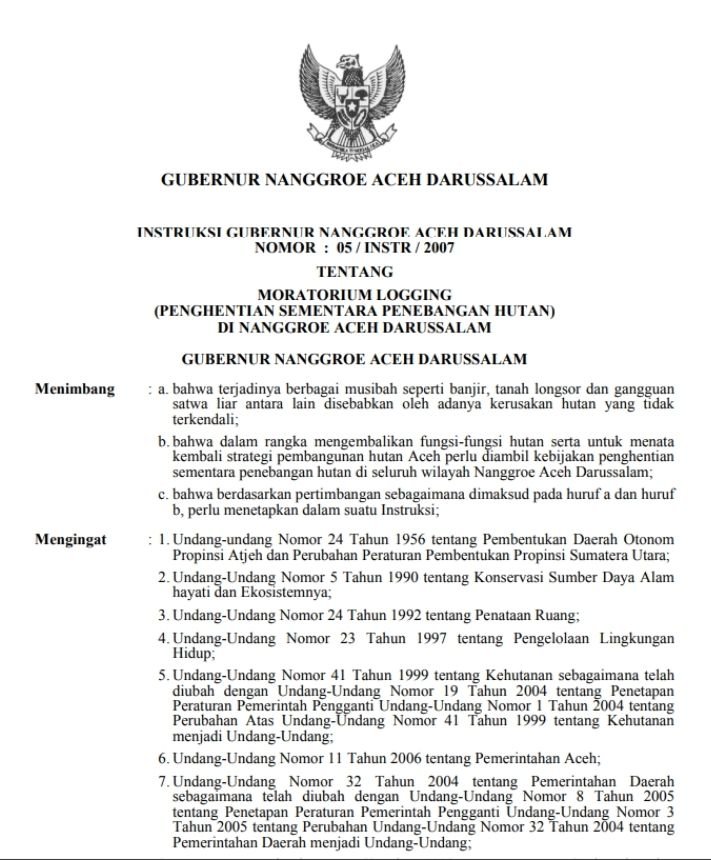
Commitments to protecting forests are often expressed with conviction. Terms like sustainable development, green economy, and environmental protection frequently appear in documents and speeches.
However, in the field, reality often runs differently.
Forest encroachment continues.
Illegal logging has not completely stopped.
Illegal mining has sprung up in various locations.
Land clearing continues.
The problem isn’t that we don’t know that forests are important. The knowledge of their importance is already abundantly clear.
The problem is that between knowledge and action there is often a very long distance.
Environment and Development Dilemmas
In many cases, the environment often loses out to short-term interests. Economic development is considered more pressing than ecosystem protection.
However, this choice is often wrong.
Losing forests may provide economic benefits in the short term, but the resulting environmental damage can create much greater losses in the long term: floods, landslides, water crises, and loss of biodiversity.
The cost of restoring the environment is often much more expensive than the cost of preserving it in the first place.
The Future of Aceh’s Forests
Despite facing various pressures, Aceh still has significant opportunities to protect its forests. Extensive forest cover is a valuable asset.
However, this capital will only be meaningful if it is accompanied by concrete steps: consistent law enforcement, ecologically sound spatial planning policies, and a commitment to truly sustainable development.
Without all that, the narrative of “Green Aceh” could turn into mere nostalgia.
When Nature No Longer Hears Speech
In the end, nature is never impressed by speeches.
Forests don’t care about slogans.
Rivers don’t read policy documents.
Mountains don’t attend environmental seminars.
Nature only responds to one thing: what we actually do.
If forest protection only stops at words, then one day we may still often talk about Aceh’s forests.
But the forest itself may already be living in speech.

By: Dr. Ir. TM Zulfikar, S.T., M.P., IPU. (Aceh Environmental Practitioner and Academic)