HAkA and USK Faculty of Law Students Push for Strengthening of Legal Framework for Wildlife Crime Enforcement
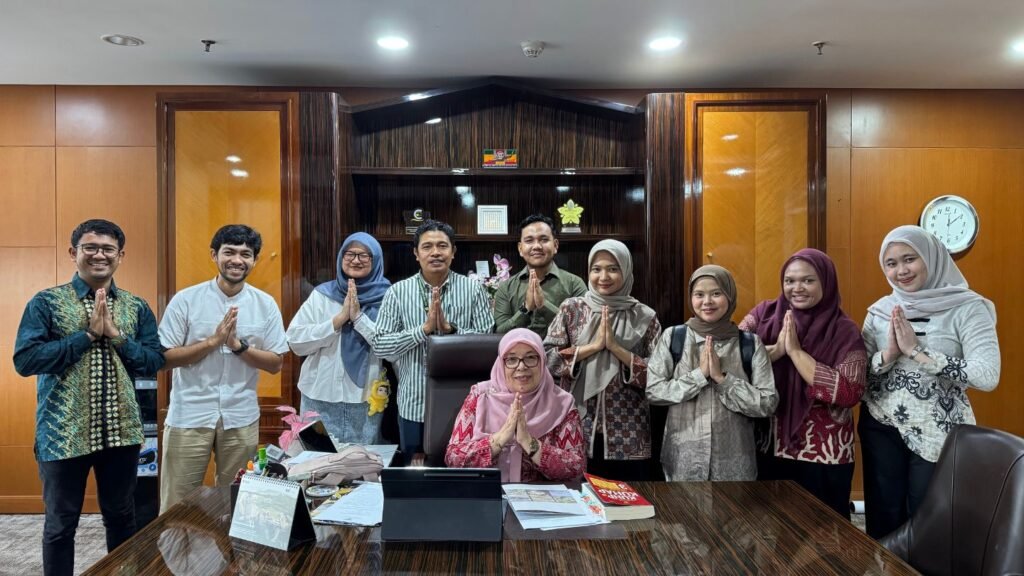
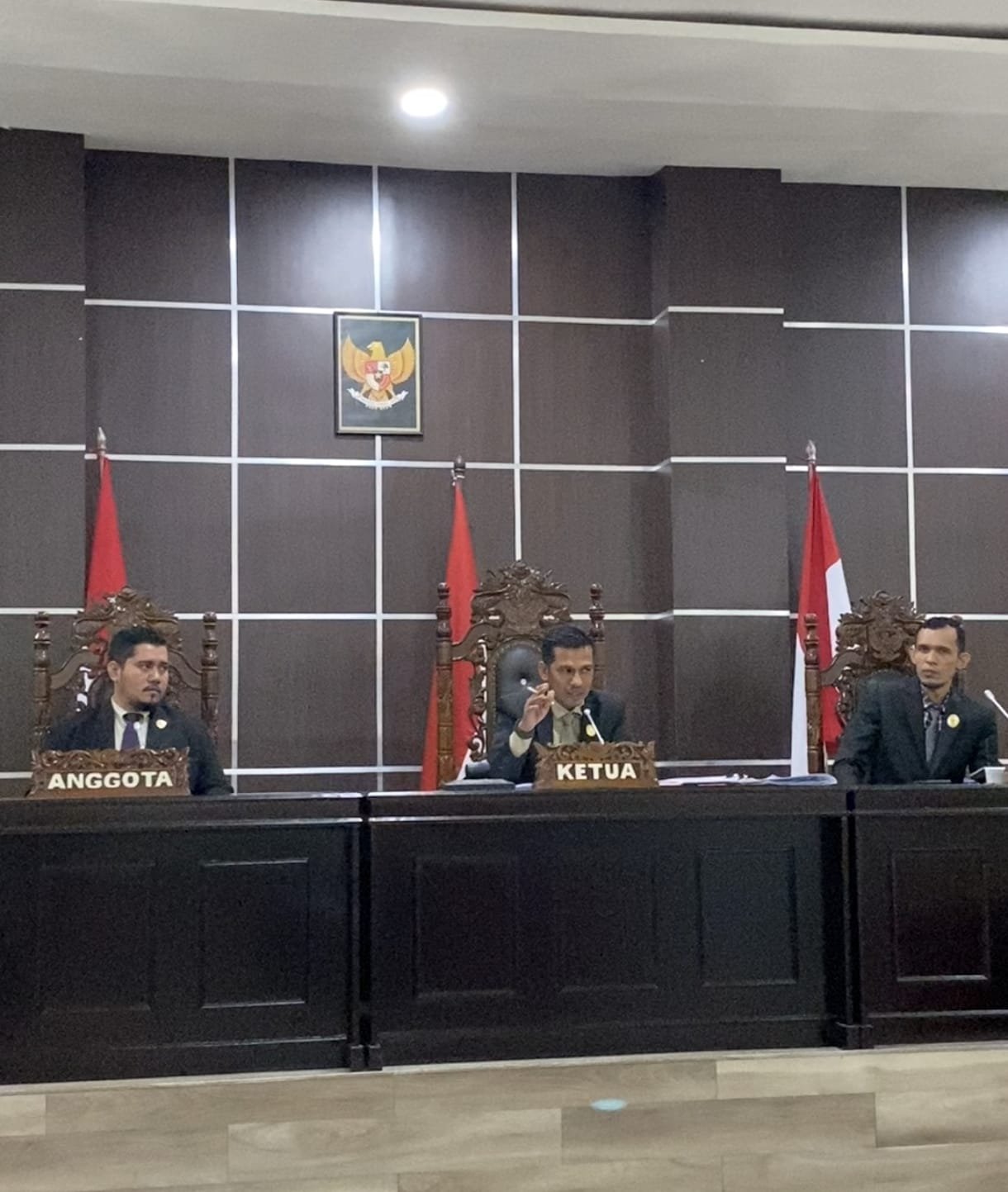
The Aceh Forest, Nature and Environment Foundation (HAkA) together with students from the Faculty of Law at Syiah Kuala University in Banda Aceh presented the results of their research on wildlife crime and the challenges of law enforcement to a number of strategic institutions at the national level. This activity took place from March 2 to 6, 2026, in Jakarta through a series of meetings with various stakeholders, including the Attorney General’s Office of the Republic of Indonesia, the National Police Headquarters, the Ministry of Forestry, the Supreme Court, research institutions, and civil society organizations.
The presentation was part of research-based advocacy efforts to strengthen the legal framework for handling wildlife crime in Indonesia, particularly regarding the use of undercover buying methods in uncovering cases of protected wildlife trafficking.
Research Background
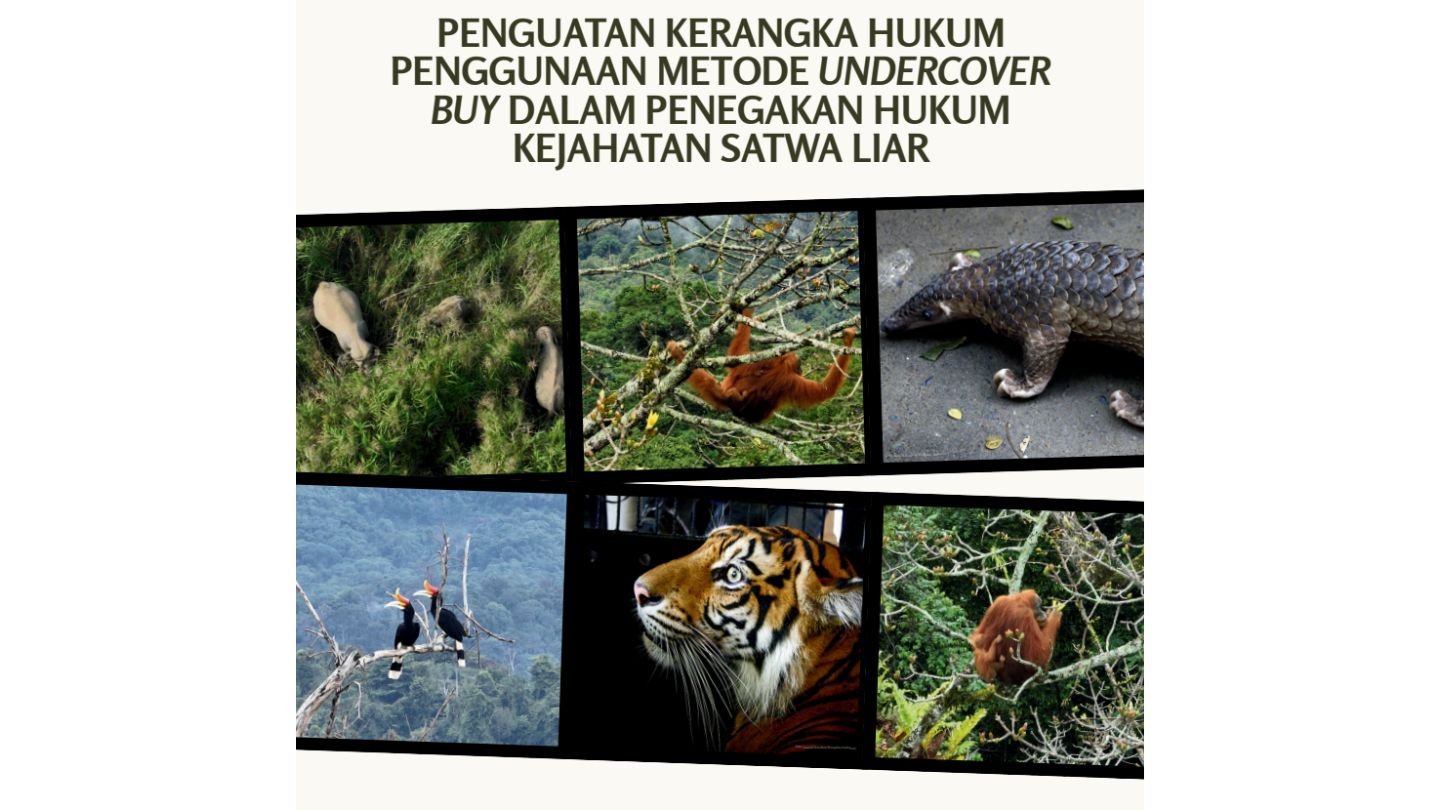
Indonesia is known as one of the countries with the highest levels of biodiversity in the world. However, this rich biodiversity also faces serious threats from illegal hunting and wildlife trade. In various regions, including Aceh, the trade in protected animals such as elephant tusks, orangutans, pangolin scales, and other animal parts is still found both through direct trade networks and online media.
The research presented in this activity was based on observations of law enforcement patterns against wildlife crimes. One of the important findings of this research was the use of undercover buying techniques in uncovering a number of wildlife trafficking cases.
The research was conducted through interviews with ten prisoners convicted of wildlife crimes in Aceh between 2022 and 2024. The interviews revealed that most respondents admitted that their cases began with transactions involving undercover purchases.
The findings then prompted the research team to further examine the legal aspects of using this method in wildlife crime enforcement.
Legal Framework Gap
The research presentation explained that, in general, the undercover buy method is recognized in criminal investigation practices and is normatively mentioned in criminal procedural law provisions. However, existing regulations are still general in nature and do not specifically regulate procedures, conditions of use, or clear oversight mechanisms in the context of wildlife crime.
The absence of detailed regulations raises a number of issues. On the one hand, the undercover buy method is seen as an effective investigative technique for uncovering closed and organized illegal trade networks. However, on the other hand, without clear operational standards, this practice has the potential to cause legal problems, including the risk of violating the principle of due process of law.
The study also highlights the possibility of entrapment, which is a situation where someone is pushed to commit a crime due to provocation or encouragement from another party. In the context of wildlife trade, this can occur when certain parties actively encourage people to seek out or trade animals that they did not previously trade.
To enrich the analysis, this study also conducted a comparative study of the legal frameworks in several countries, such as the Netherlands, the United States, the United Kingdom, and Australia, which already have clearer regulatory mechanisms regarding the use of covert investigation techniques in law enforcement.
Dialogue with Law Enforcement Officials
During a series of presentations in Jakarta, the HAkA team and student researchers held direct discussions with various law enforcement agencies and policymakers.
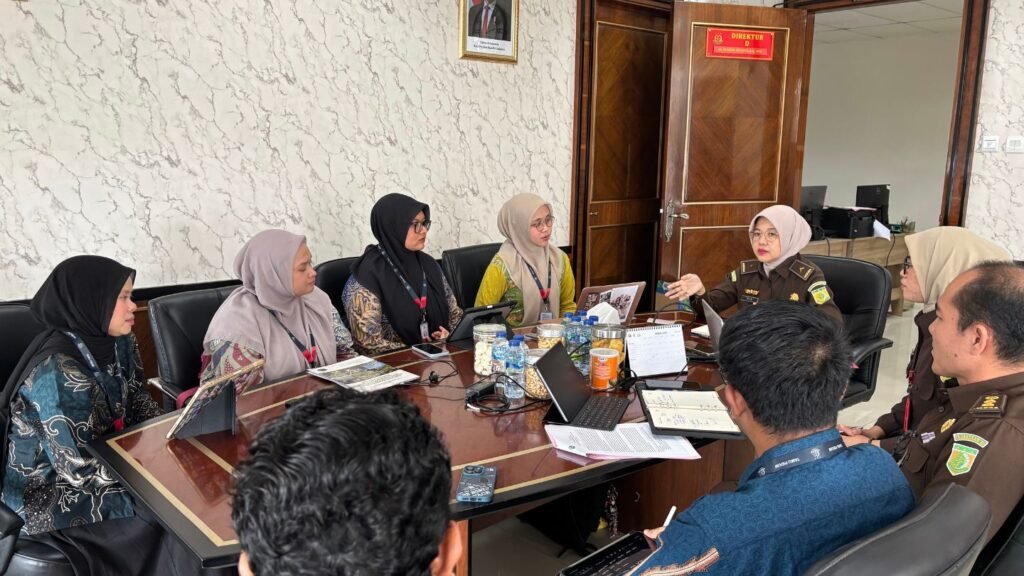
During a meeting with the Attorney General’s Office, prosecutors stated that undercover buying is a recognized investigative technique in law enforcement practice. However, they also emphasized that during the prosecution process, prosecutors must ensure that the evidence presented complies with the principle of legality and is not fabricated.
The Attorney General’s Office also emphasized the importance of fulfilling the principles of legality, necessity, and proportionality in every law enforcement process. In addition, they opened up space for refinement of the recommendations proposed through the research, including the possibility of drafting internal guidelines related to the evaluation of procedural legality in environmental crime cases.
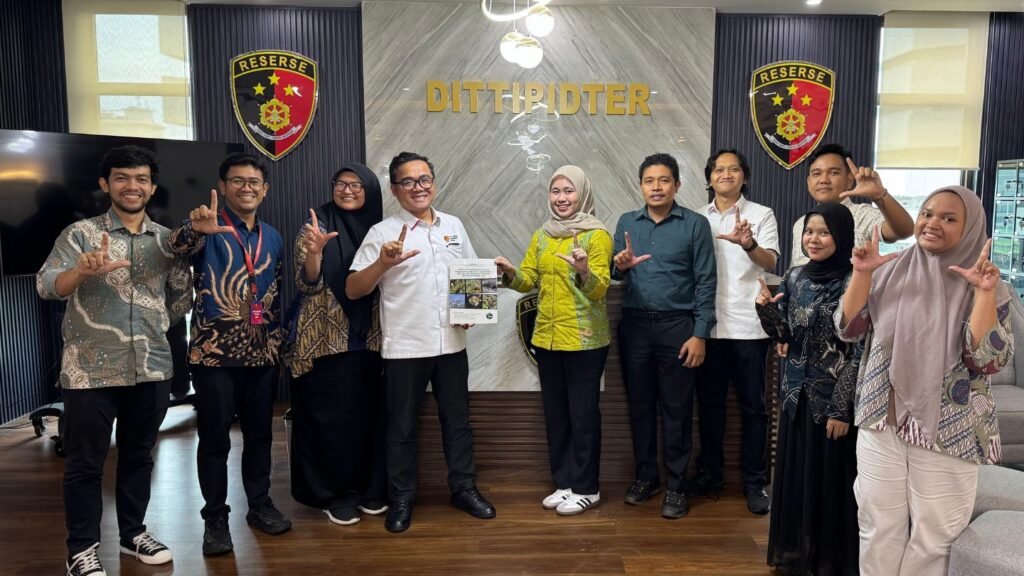 Meanwhile, in discussions with the National Police Headquarters, police officials assessed that the use of undercover buys in investigations is common in various types of criminal cases, including narcotics crimes. However, in the context of wildlife crime, there are no national operational standards that specifically regulate this mechanism.
The police also highlighted that wildlife trafficking networks often have complex structures, ranging from hunters and collectors to financiers. Therefore, law enforcement strategies should not only target perpetrators in the field, but also focus on exposing the masterminds behind these networks.
Perspectives of the Government and Civil Society Organizations
Discussions with the Ministry of Forestry highlighted the importance of strengthening regulations on illegal wildlife trade. The government is currently drafting a number of regulations derived from the new conservation law, including regulations related to strengthening wildlife protection and tackling illegal trade.
Ministry representatives stated that the findings of this study could serve as a reference in the policy-making process, particularly with regard to the regulation of investigative techniques in conservation law enforcement.
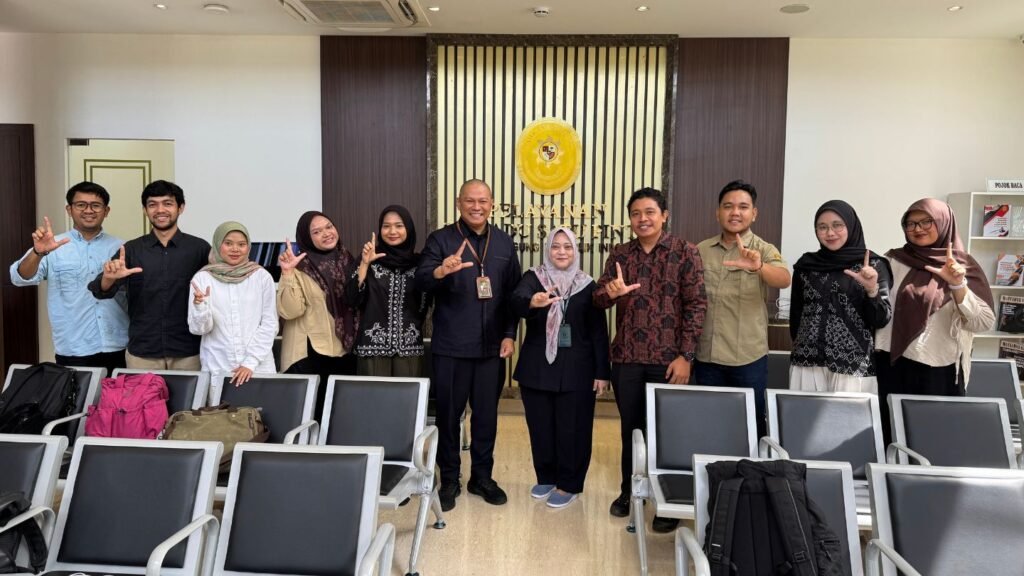
In addition to the government, the team also held discussions with a number of civil society organizations and research institutions such as Auriga Nusantara and ICEL. These discussions enriched the research perspective, particularly in terms of examining the relationship between covert investigation practices and the potential emergence of new markets in wildlife trade.
Some parties believe that undercover buying is indeed effective in uncovering illegal transactions, but it must be accompanied by strict oversight mechanisms to prevent criminalization or the creation of situations that encourage new crimes.
Policy Recommendations
Based on research findings and discussions with various parties, the research team formulated a number of recommendations to strengthen law enforcement against wildlife crime in Indonesia. First, there is a need to develop national guidelines or operational standards regarding the use of undercover buying methods in handling conservation cases. These guidelines are expected to provide clarity on operational definitions, conditions of use, and authorization and oversight mechanisms. Second, it is important to strengthen the capacity of law enforcement officials, particularly prosecutors and investigators, in building evidence against organized environmental crimes.
Third, there is a need to strengthen coordination between law enforcement agencies and increase the use of digital evidence and intelligence in uncovering wildlife trafficking networks.
In addition, this study also emphasizes the importance of an approach that focuses not only on enforcement but also on prevention, including monitoring wildlife trade on digital platforms.
Promoting Research-Based Policy
For HAkA, this presentation is part of its efforts to promote evidence-based policies for the protection of Indonesia’s biodiversity. Wildlife crime is not only a conservation issue, but also relates to organized crime that has a broad impact on ecosystems, the economy, and environmental security.
Through research and dialogue with various stakeholders, HAkA hopes that the recommendations produced can contribute to improving the law enforcement system in Indonesia, so that the protection of wildlife and ecosystems can be carried out more effectively and fairly.
The Policy Brief can be accessed on the following page.
Contact Person:
Aceh Forest, Nature, and Environment Foundation
Email: rajamulkan@haka.or.id