Mount Leuser National Park
1. Overview
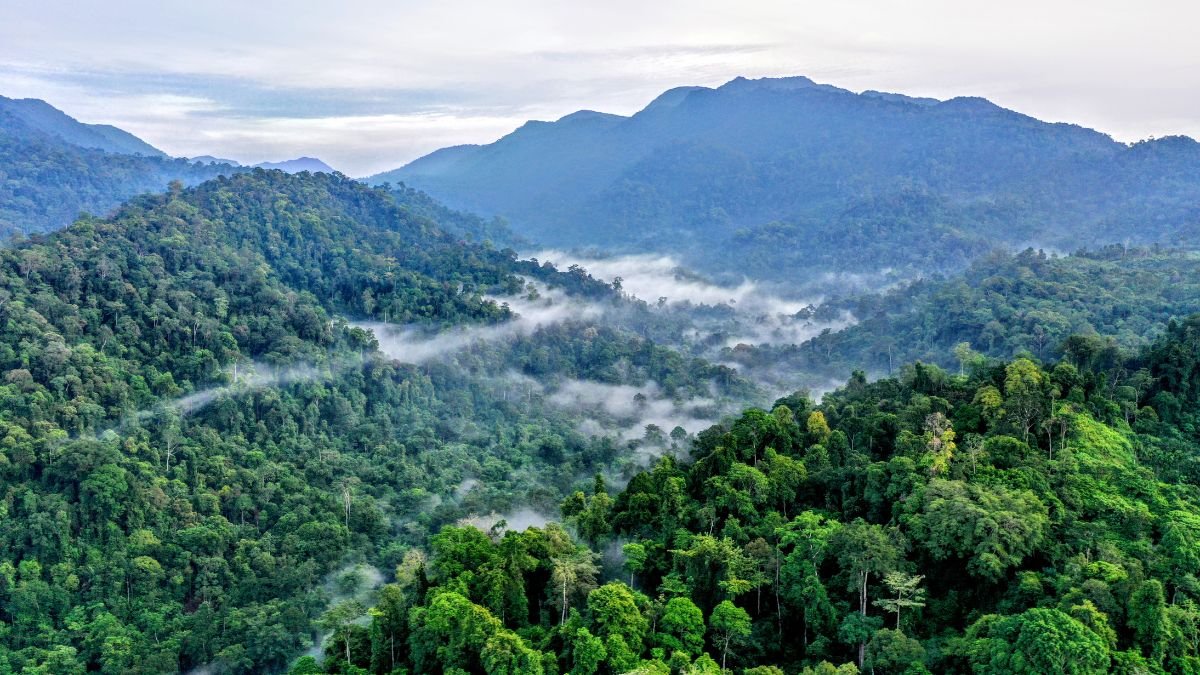
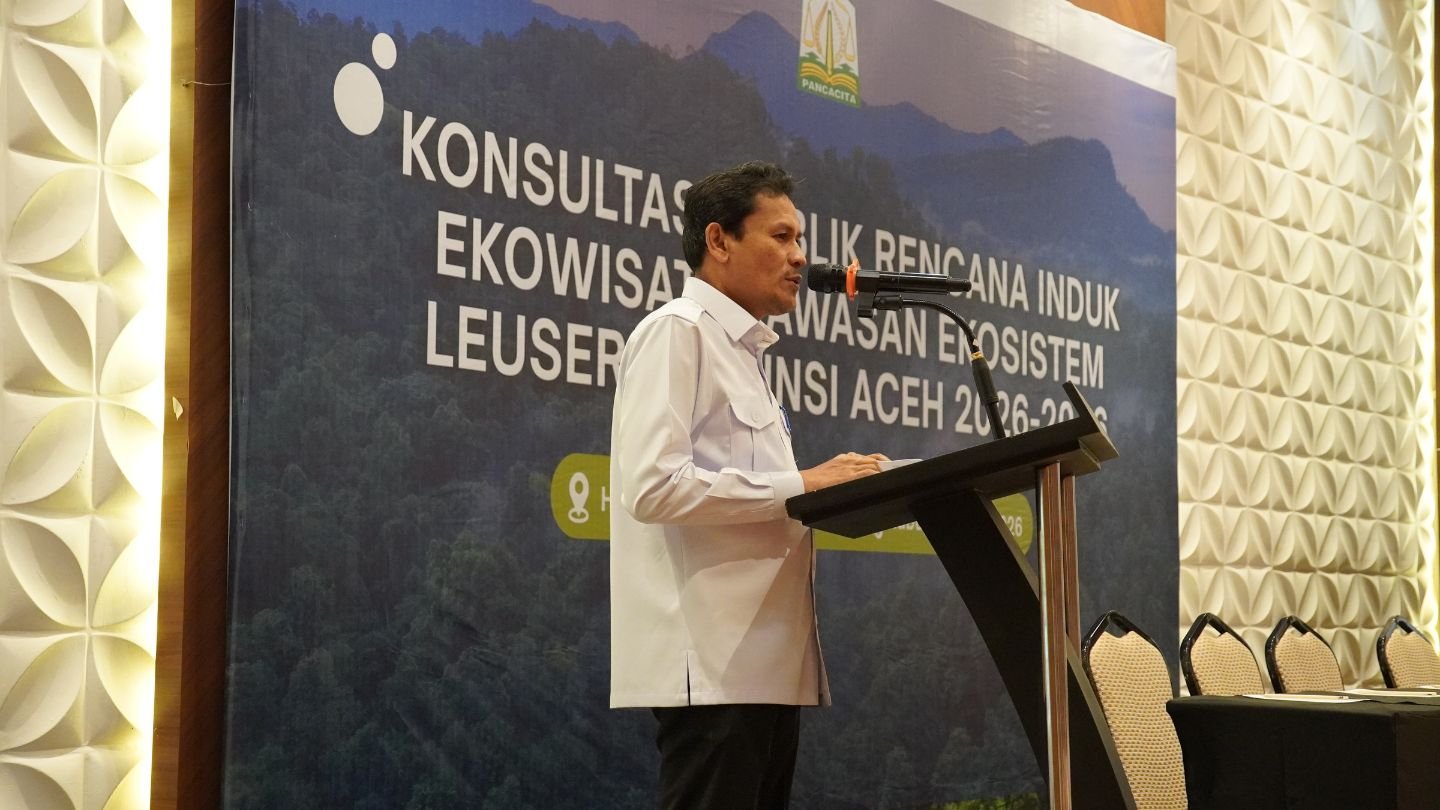
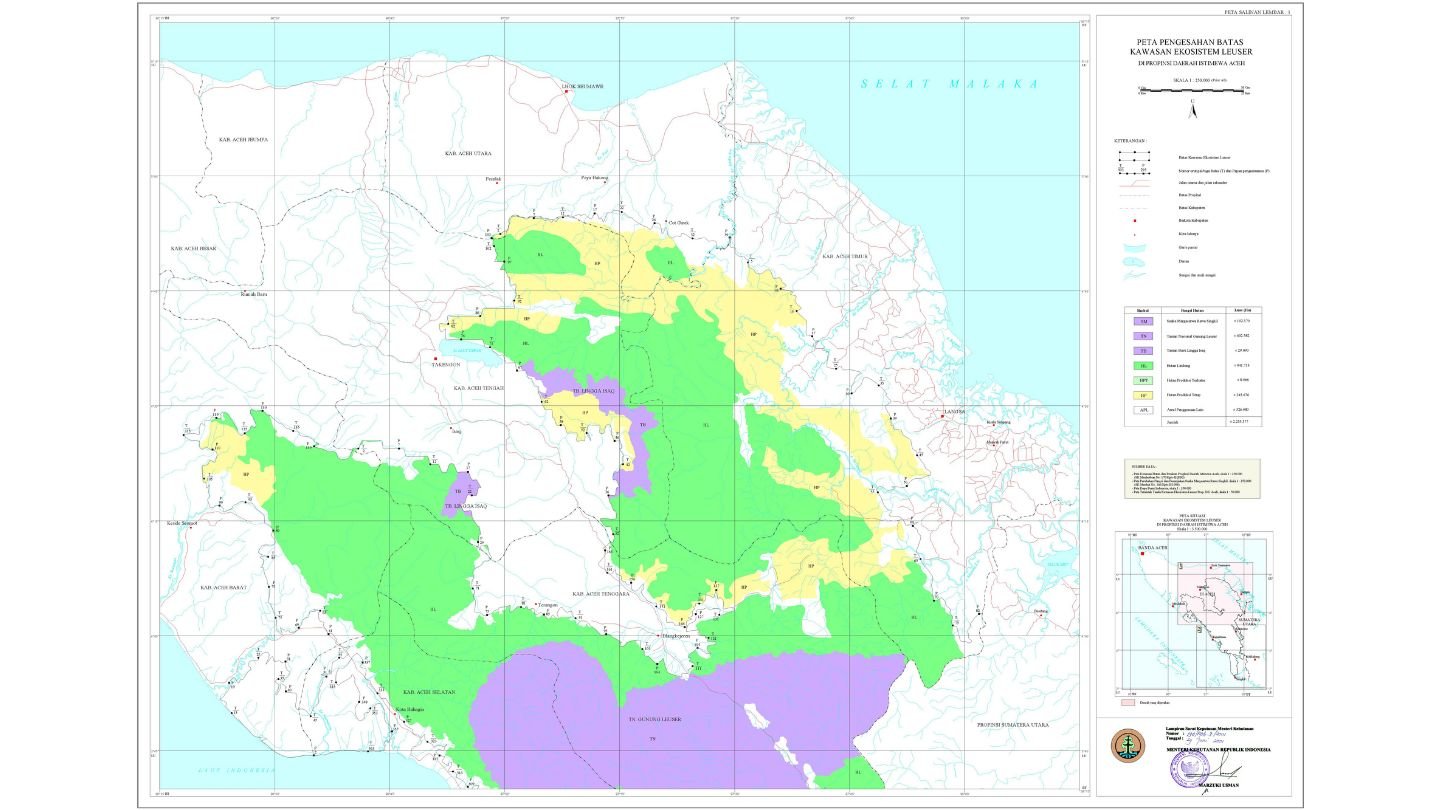
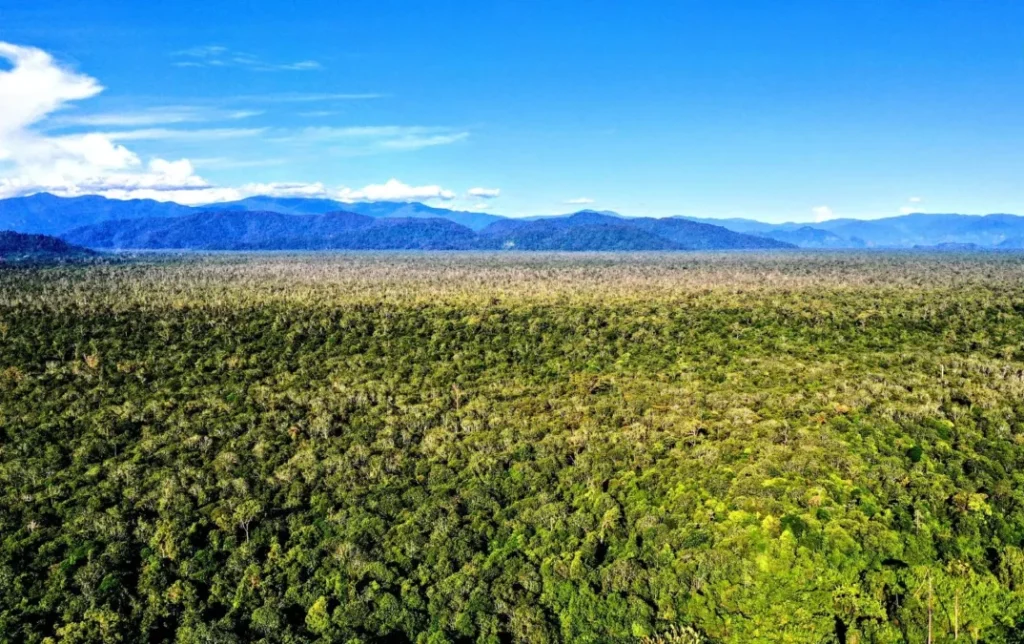
Gunung Leuser National Park (TNGL) is one of the largest conservation areas in Indonesia, located in the provinces of Aceh and North Sumatra. The national park covers an area of approximately 1.09 million hectares and forms the core of the Leuser Ecosystem Area. TNGL is part of the Tropical Rainforest Heritage of Sumatra (TRHS).
This area is globally recognized as one of the world’s most important tropical rainforests due to its exceptionally high level of biodiversity and its role as a habitat for various rare and endangered species.
2. Ecosystem Diversity
Gunung Leuser National Park features a wide variety of ecosystems, spanning from lowland areas to high mountains. Some of the ecosystem types found in this area include:
Lowland tropical rainforest
Mountain forest
Subalpine forest in high-altitude areas
River and forest valley ecosystems
This diversity of ecosystems creates a rich habitat for a wide variety of flora and fauna.
3. Wildlife Diversity
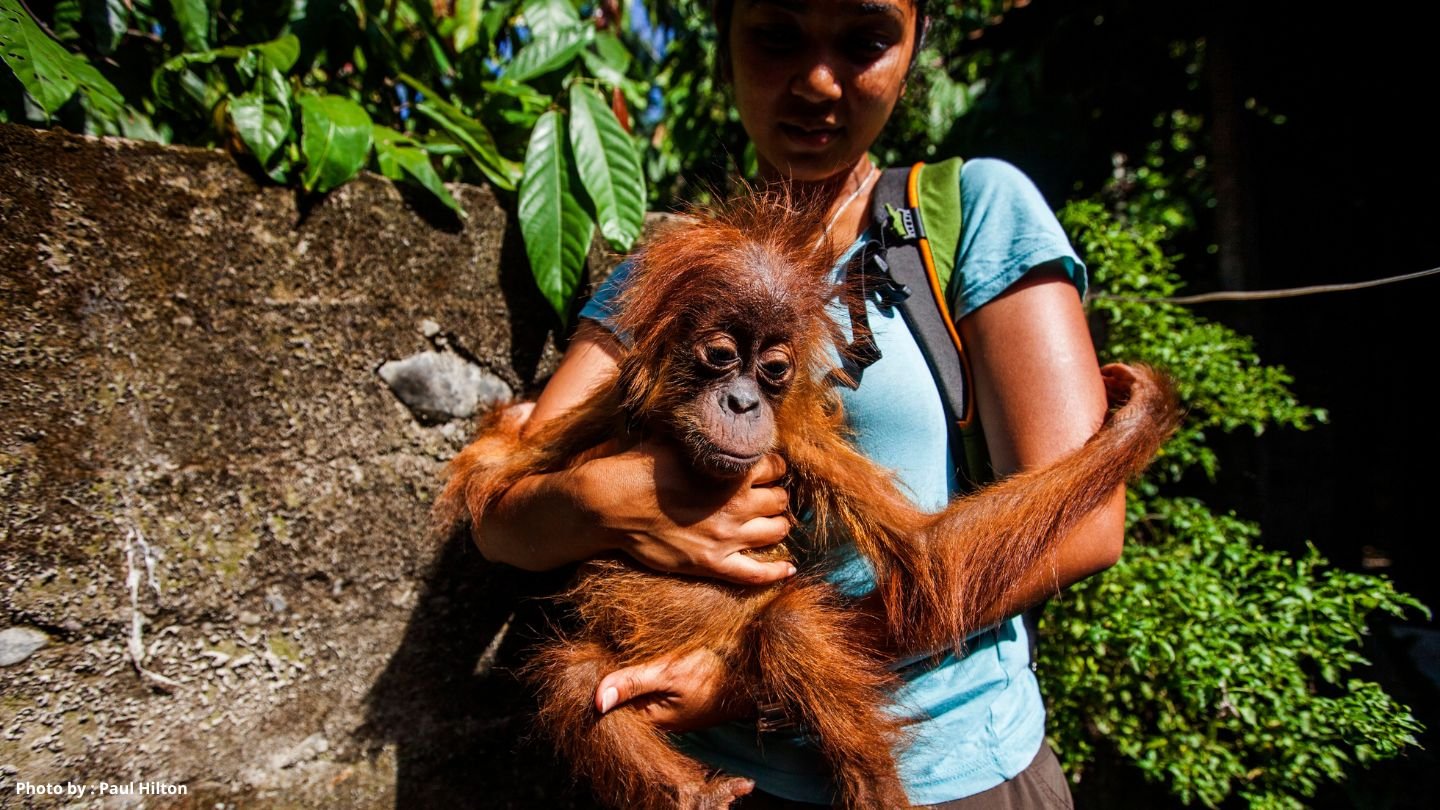
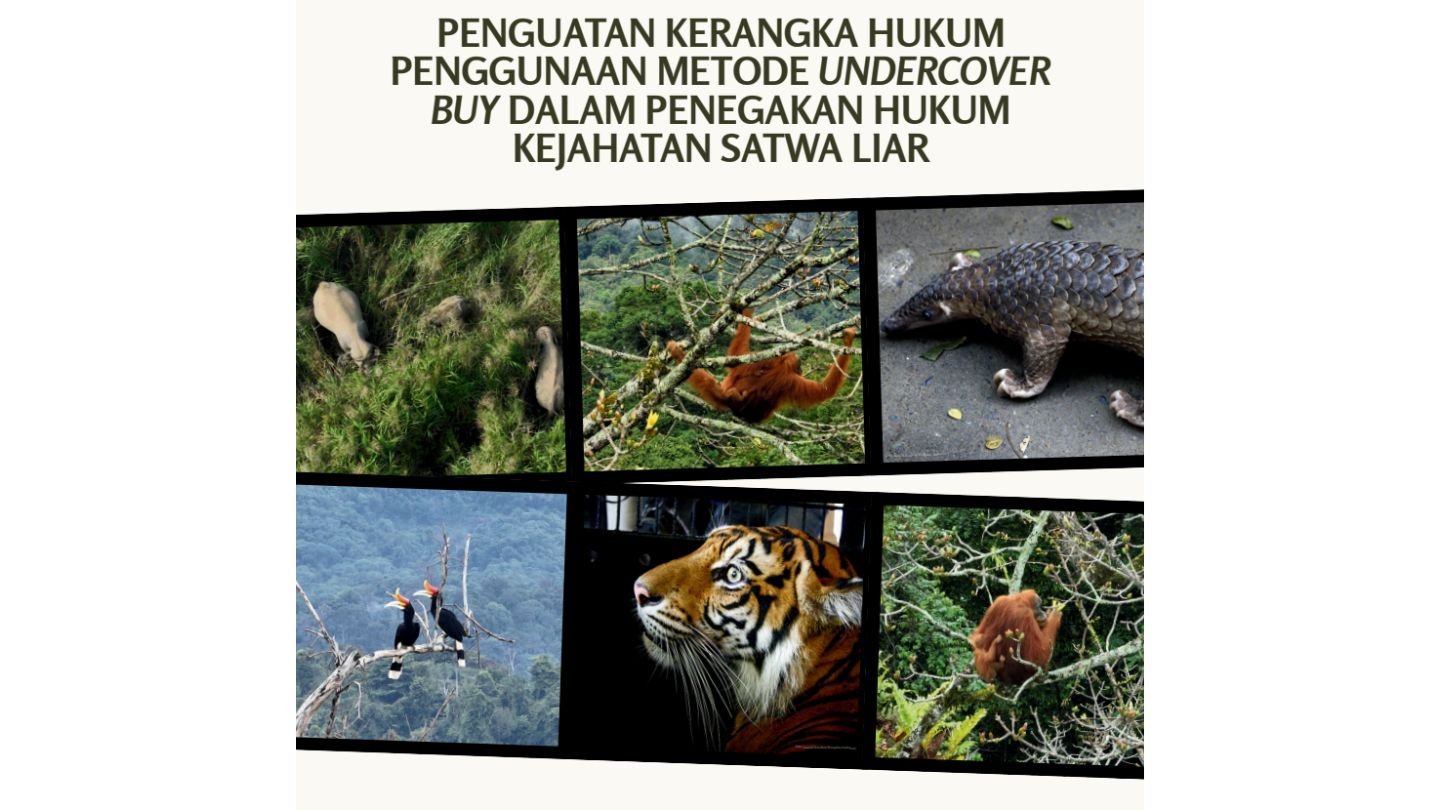
Gunung Leuser National Park serves as a habitat for hundreds of wildlife species, including some of the world’s rarest. Among them are:
Sumatran Orangutan
Sumatran Tiger
Sumatran Elephant
Sumatran Rhinoceros
In addition, the national park is also home to hundreds of bird species, various types of primates such as siamangs and gibbons, as well as numerous reptiles, amphibians, and insects
4. Ecological and Social Value
Gunung Leuser National Park plays a vital ecological role, including:
Serving as a water source for millions of people in Aceh and North Sumatra
Storing large carbon reserves that help mitigate climate change
Maintaining soil stability and preventing floods and landslides
Supporting scientific research and conservation education
Several locations within the area, such as Ketambe, are recognized as internationally significant centers for primate and tropical biodiversity research.
5. Threats to the Area
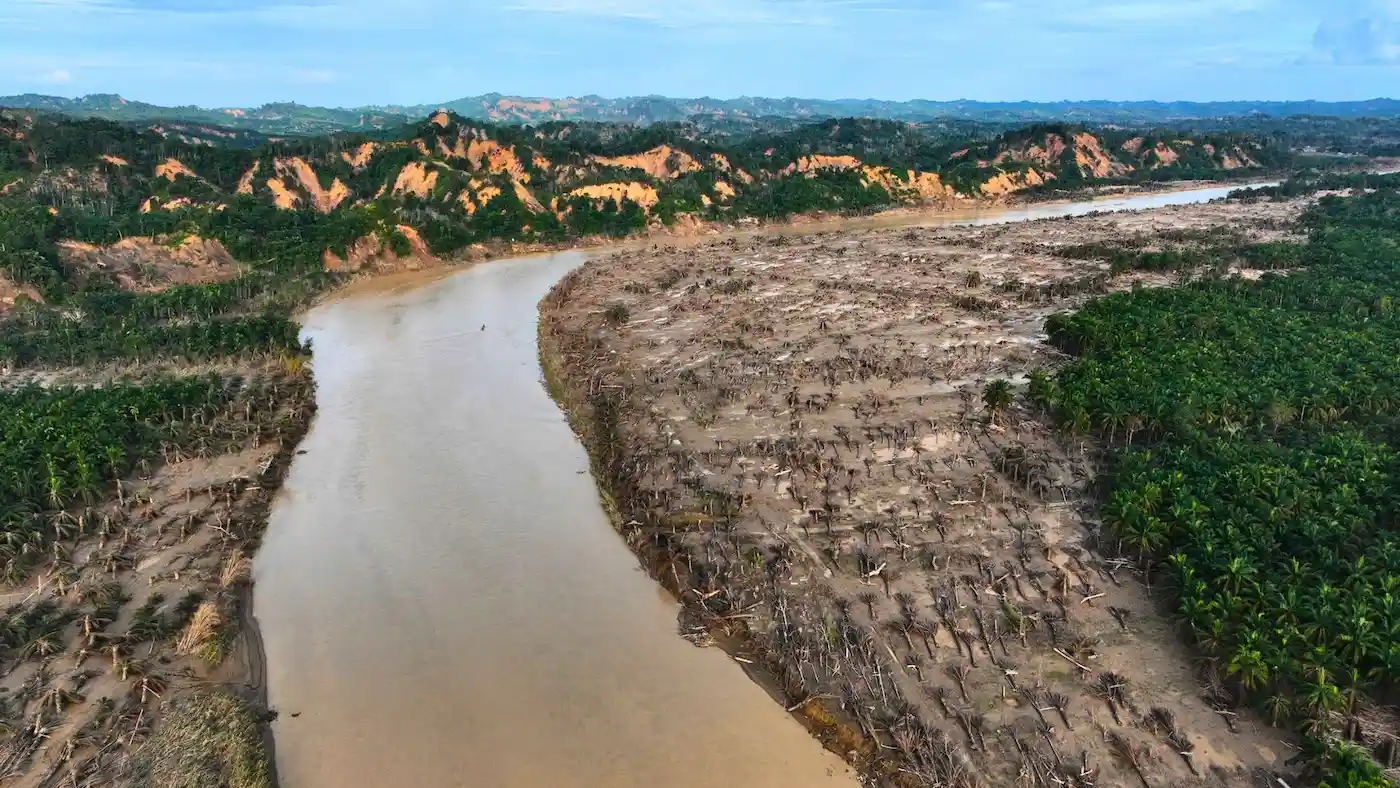
Despite its protected status as a national park, the area still faces various pressures, such as:
Land clearing and forest encroachment
Illegal wildlife hunting and trade
Infrastructure development that could potentially damage habitats
Human-wildlife conflict
Conservation efforts continue through forest patrols, law enforcement, ecosystem restoration, and raising public awareness about the importance of conservation.
6. The Importance of Conservation
Gunung Leuser National Park is one of the last strongholds of Sumatra’s biodiversity. Protecting this area means safeguarding the survival of various rare species, maintaining the ecological functions of the tropical forest, and ensuring the sustainability of communities that depend on the surrounding natural resources.