Leuser Ecosystem
1. Overview
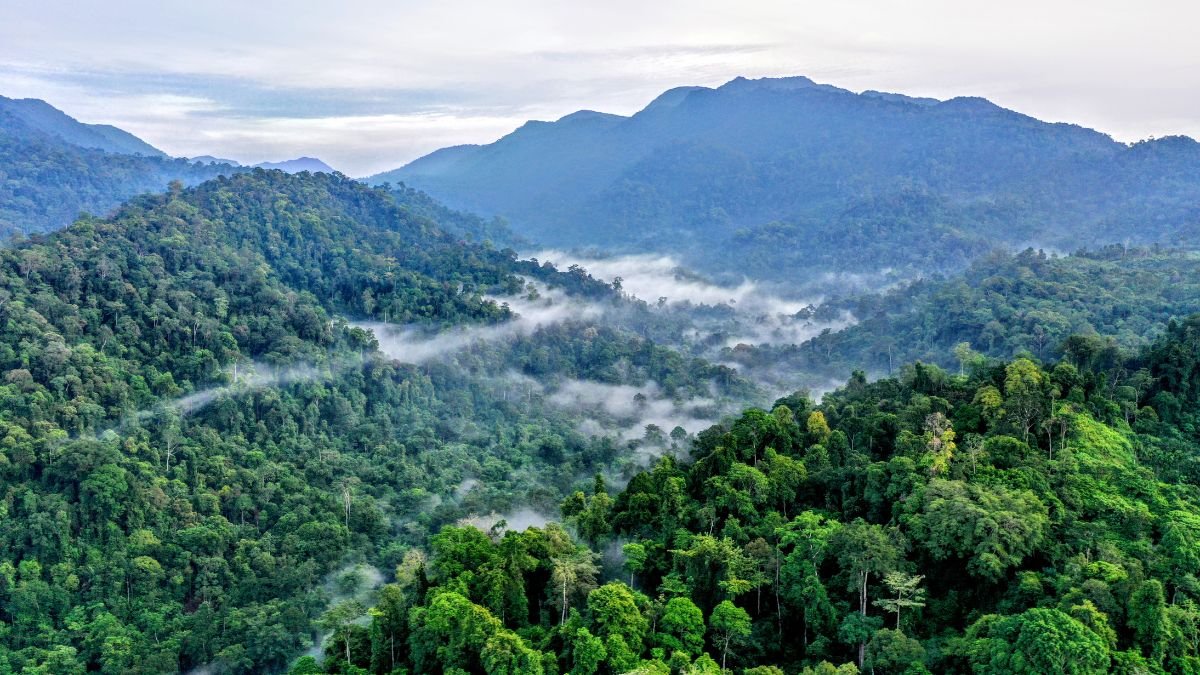
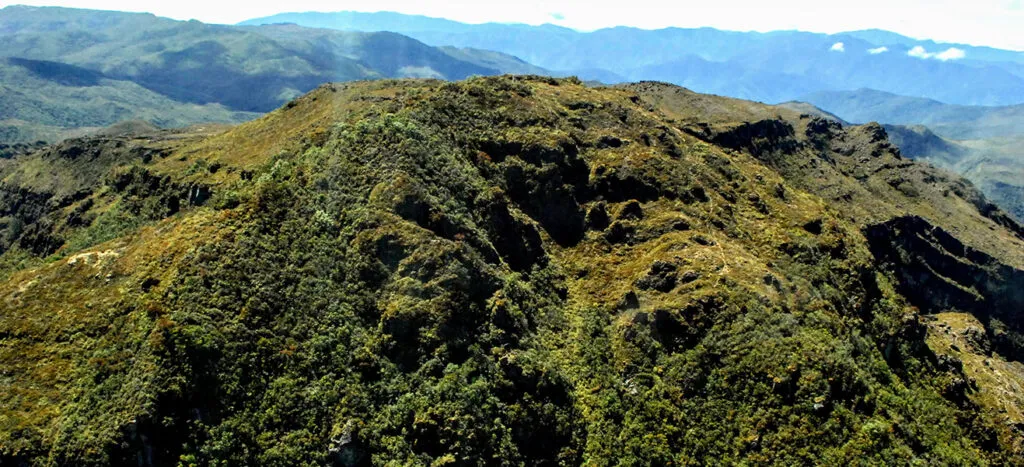
The Leuser Ecosystem Area is one of the world’s most important tropical rainforest regions, located in the provinces of Aceh and North Sumatra. The area spans approximately 2.6 million hectares and encompasses a variety of ecosystem types, ranging from lowland forests and montane forests to peat swamps and coastal zones.
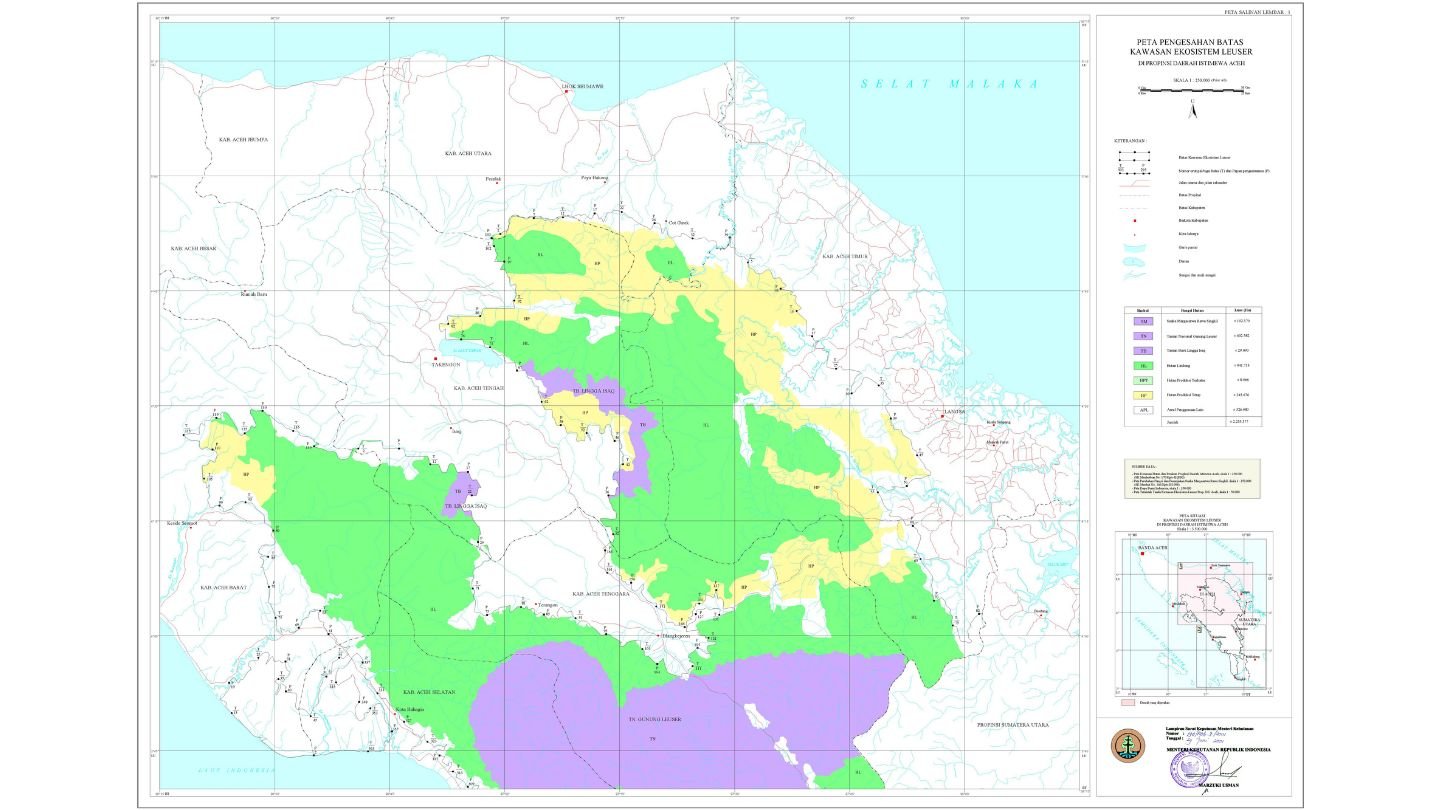
The Leuser Ecosystem Area, hereinafter abbreviated as KEL, is an area that is naturally integrated by natural landscape factors, unique characteristics of flora and fauna and other unique factors, the location and area of which are as described in the Attachment to the Decree of the Minister of Forestry No. 190/Kpts-II/2001.
This area is globally recognized as one of the last strongholds of biodiversity in Southeast Asia and plays a critically important ecological role in climate stability, water availability, and the livelihoods of surrounding communities.
2. Diversity of Biodiversity
The Leuser Ecosystem Area possesses an extremely high level of biodiversity and serves as a habitat for thousands of plant and animal species.
Some of the key wildlife species living in this area include:
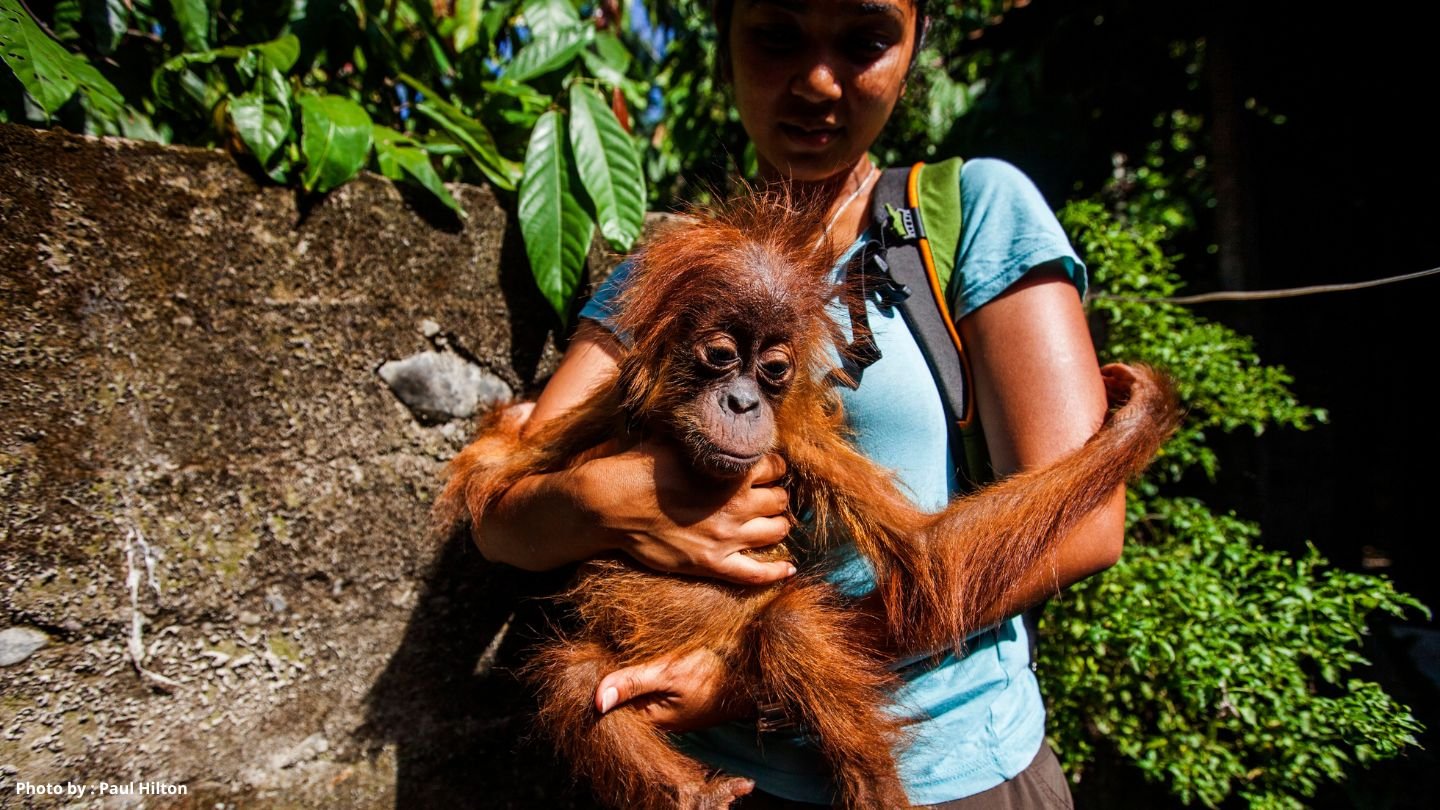
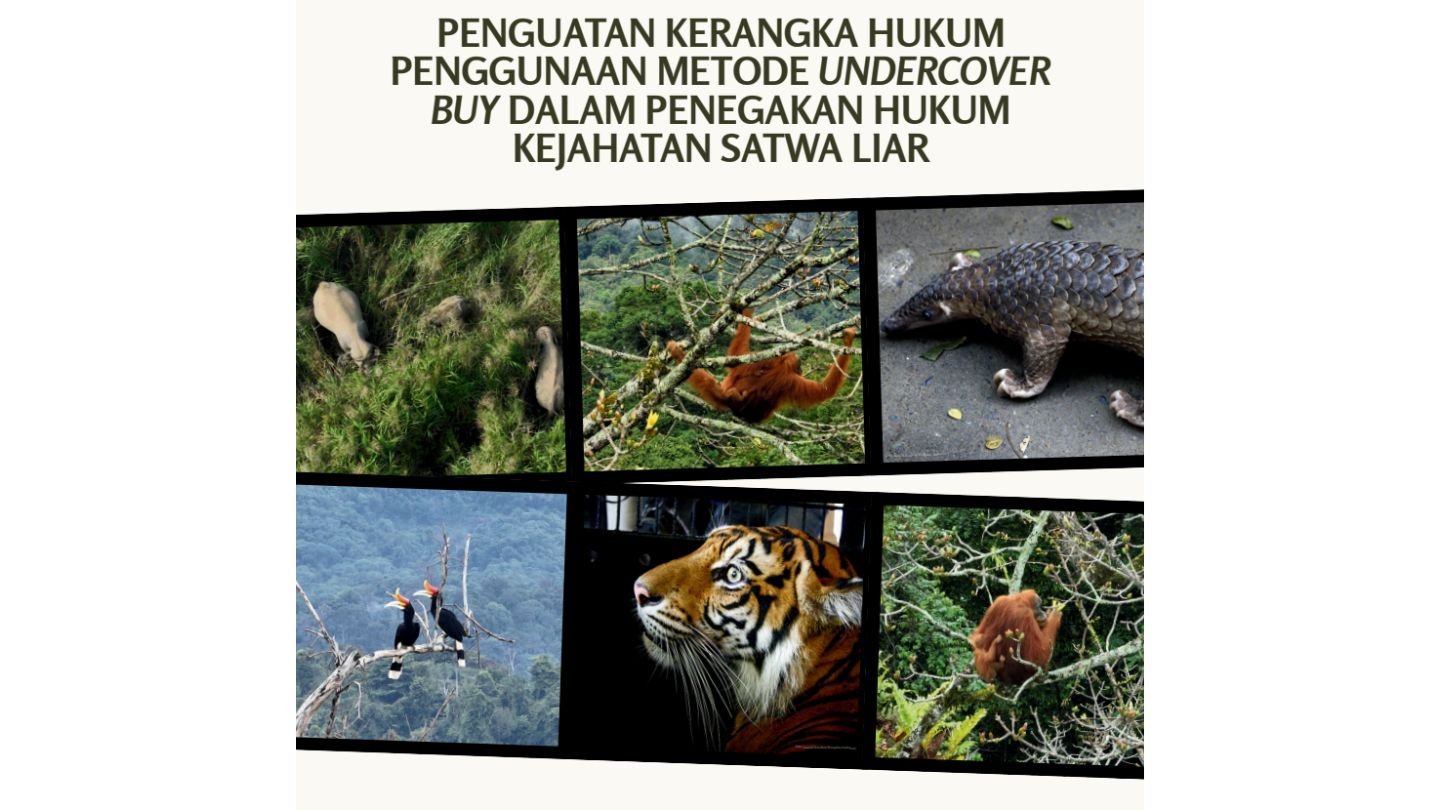
Sumatran Orangutan
Sumatran Tiger
Sumatran Elephant
Sumatran Rhinoceros
These four species are known as Sumatra’s key megafauna, and the Leuser Ecosystem Area is the only place in the world where all four species still coexist in the wild.
In addition, this area is also home to:
More than 380 bird species
Dozens of large mammal species
A wide variety of reptiles, amphibians, and thousands of tropical plant species
3. Ecological Functions
The Leuser Ecosystem Area serves vital ecological functions, including:
Serving as a water source for millions of people in Aceh and North Sumatra
Storing large carbon reserves that are crucial for climate change mitigation
Maintaining soil stability and preventing floods and landslides
Serving as a natural barrier against ecological disasters
This ecosystem also supports various community economic activities, such as agriculture, fisheries, and the utilization of non-timber forest products.
4. Forest Area Functions
The Leuser Ecosystem Area comprises various management zones, including formal conservation areas such as Gunung Leuser National Park, as well as protected forests, limited-use production forests, and other land-use areas that ecologically remain part of the Leuser landscape.
This landscape management approach is essential to ensure that wildlife and ecosystem protection can be carried out comprehensively, not just within the national park boundaries.
5. Threats to the Area
Despite its extremely high ecological value, the Leuser Ecosystem Area faces various pressures, including:
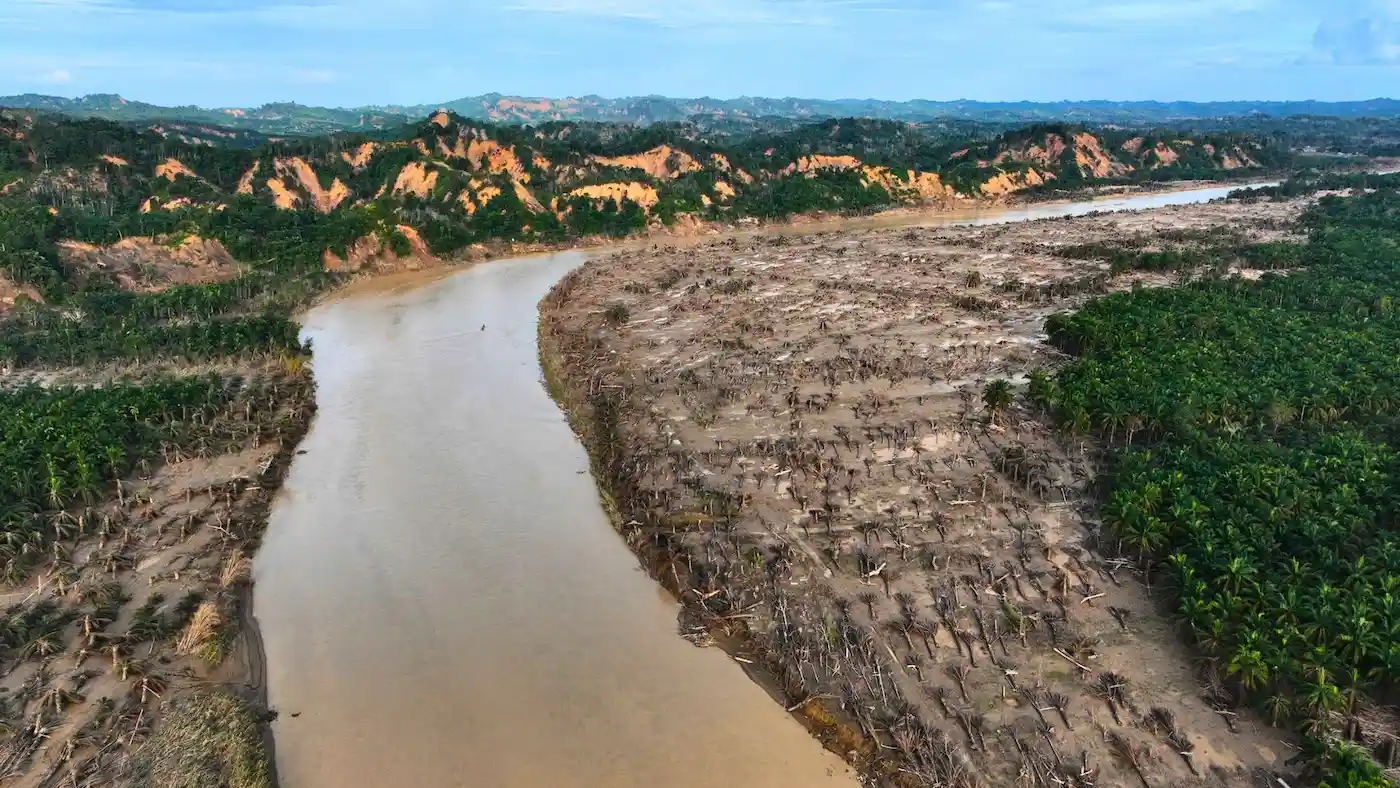
Deforestation due to land clearing
Infrastructure development within forest areas
Illegal wildlife hunting and trade
Land-use changes that could reduce protection of the area
These pressures threaten the sustainability of the ecosystem and the habitats of rare wildlife living within it
6. The Importance of Conservation Efforts
The conservation of the Leuser Ecosystem Area is of critical importance because this region not only harbors extraordinary biodiversity but also plays a vital role in maintaining ecological balance and human livelihoods.
Conservation efforts are carried out through various approaches, such as habitat protection, forest patrols, restoration of degraded areas, law enforcement against wildlife trafficking, and community empowerment around the forest to develop sustainable livelihoods. The Leuser Ecosystem is often referred to as “the last place on Earth where orangutans, elephants, rhinos, and tigers still coexist in the wild.”